
A shared branding system can connect a headwear collection, but its components need an application map. A label that fits one cap interior may need another placement in a bucket hat, and a common hangtag design may carry different item data. Record the shared rules alongside the exceptions for each style.
Use the headwear range planning hub for the product families and the wholesale order matrix for finished-item quantities. The brand matrix below controls the labels, trims and presentation shared across those items.
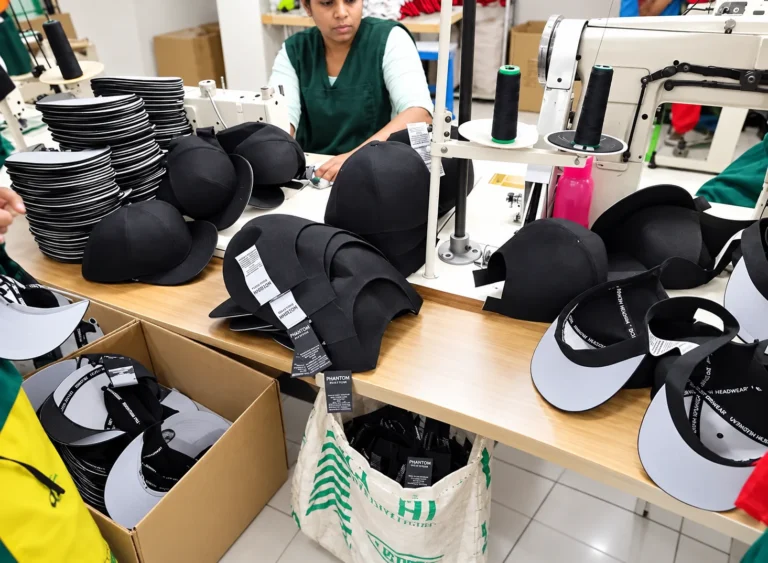
Name the shared component before assigning it
Give the main label, seam tape, exterior tab, hangtag and packing sticker a reference where they are used. Keep artwork revision, dimensions and relevant material or finish details with that reference. A descriptive folder name alone is a weak basis for repeating a trim.
Identify the owner of the brand wording and product information. Separate the design shared across the collection from variable fields such as colour, fit or item identity. That distinction makes a controlled update easier to apply.
Map each component to the actual style
Show which cap uses each trim and where it is attached. Mark a style that needs a different label size, orientation or attachment arrangement. If a component is not used, say so rather than leaving an empty cell that could be read as missing data.
Review placement against the real interior, sweatband, closure and seam layout. A common brand design does not make every mounting point suitable. Keep the accepted style-specific application with its sample reference.
Keep colour and finish references consistent
Identify which physical colour and finish references control each component. Distinguish shell fabric, embroidery thread, woven trims and printed packaging when they require separate approvals. Record an accepted difference rather than assume a shared colour name means an identical result.
Pantone explains why physical colour references matter. Keep the approved trim references and assembled sample identities with the matrix so future colourways can be reviewed on the same basis.
| Field | Record for the proposed cap |
|---|---|
| Trim reference | Artwork version, dimensions and relevant component information |
| Style application | Cap or hat, location, orientation and attachment |
| Variable fields | Item-specific wording or code and responsible data owner |
| Exceptions | Different trim, omitted component or accepted style variation |
| Review record | Physical reference, accepted sample and applicable revision |
Manage collection changes through the matrix
When brand artwork changes, identify the affected components and styles before ordering replacements. Confirm what happens to the active sample and packing references. Keep a change confined to the intended items rather than silently updating the entire range.
Compare the bucket hat guide and baseball cap guide for different construction contexts. Discuss a proposed bucket hat or baseball cap through the relevant product page, then send the brand matrix via Contact Wenext Caps.