
Promotional trucker hats in bulk need a practical plan behind the logo. A cap may look right in a sample photograph and still miss the purpose of the order if it arrives after the event, is packed for the wrong branches or costs more to distribute than expected.
Begin with the campaign, the people receiving the hats and the date they must be ready to hand out. Use the trucker hat buying guide for construction and fit choices, and our trucker hat manufacturing page for production enquiries.
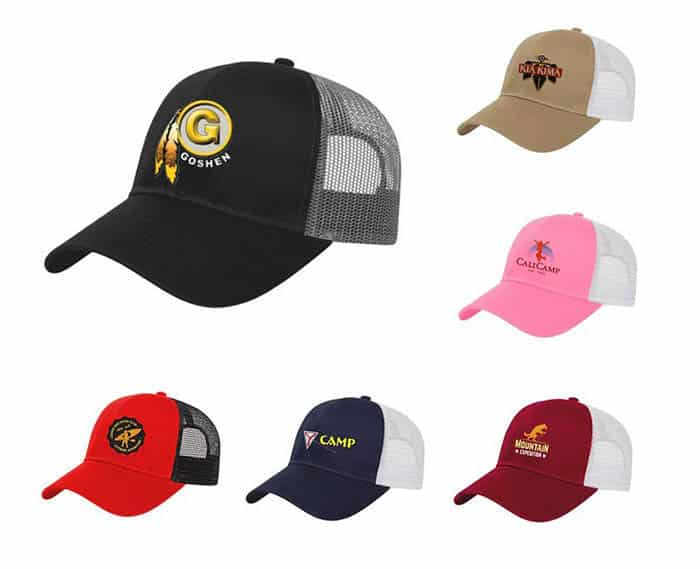
Define the campaign before choosing the cap
A staff uniform, a customer giveaway and a paid merchandise item can need different decisions even when they share the same logo. Describe who will wear the cap, where it will be used and how it will be distributed. That helps you decide which features deserve the available budget.
For an event giveaway, clear branding and straightforward distribution may lead the brief. For merchandise that customers buy, fit, finish and retail presentation may carry more weight. Avoid approving details simply because they appeared on a previous campaign’s cap.
Choose a reference that shows the intended front profile, mesh, visor and closure. Ask for a finished sample so the team can judge the complete cap rather than a mockup alone.
Work backward from the receiving date
Distinguish the event date from the date the hats must reach the receiving team. Allow for checking, sorting, movement to branches or venues and any local distribution work. A factory dispatch date is a different milestone from delivery to the people running the event.
Plan the stages in sequence: brief review, quotation, materials and artwork decisions, sampling, corrections, final approval, production, inspection, packing and transport. Ask the supplier to confirm the schedule for your specification and quantity. Resolve which deadlines depend on your own approvals.
Identify the points that cannot move. If the campaign date is fixed, ask about feasible alternatives early when a material or decoration choice does not fit the available development window. A late change can affect more than the item that changed.
Compare the full project cost
Use the same specification when comparing quotations. Confirm the front material, mesh, decoration method, number of logo positions, labels, packing and quantity breakdown. Ask what the quoted unit price includes and which items are charged separately.
Keep sampling, artwork preparation or tooling, inspection requirements, transport and receiving arrangements visible in the discussion. Confirm shipment responsibilities with the supplier and logistics partner instead of treating a low unit price as the complete campaign cost.
If you need to simplify the order, compare the options against the campaign’s priorities. Fewer colorways, a shared logo version or simpler packing may reduce complexity. Review the actual quotation before assuming that any change will produce a particular saving.
Make the logo work at the intended viewing distance
An event cap needs branding that remains recognizable on the finished front panel. Give the supplier the original artwork, intended size, placement and color references. Review sponsor marks and secondary text separately from the main logo.
The logo placement and colorway guide explains how to organize several marks without losing control of artwork versions. For stitched designs, the embroidery sample approval guide covers small lettering, outlines and panel behavior.
Check color on physical materials. Pantone’s physical-sample guidance explains why a digital selection needs a real-world reference. Approve the chosen thread, front and mesh combination rather than relying only on a presentation slide.
Build an allocation sheet for every destination
List the quantities assigned to each branch, venue, team or campaign group. Include the cap color, logo version and any size variation. Compare the allocation total with the purchase quantity before packing instructions are released.
State whether destinations need separate cartons, inner groups or independent shipments. Give each group a clear reference that appears on the packing list and relevant carton marks. Confirm who receives each shipment and which information the receiving team needs.
If the order contains individual names or numbers, use a separate approved roster as described in the personalized trucker hat proofing guide. A branch allocation sheet and an individual decoration list serve different purposes and should reconcile.
Approve a distribution-ready packing example
Review how the finished cap will be protected and identified. Check the effect of nesting, bags, inserts and carton arrangement on the front shape, visor and decoration. Agree on an approach that protects the product while fitting the receiving plan.
For direct event distribution, ask whether the proposed arrangement allows staff to identify the correct color or group without opening every package. For retail merchandise, confirm hangtags, labels and any required stock references.
Check a packing example against the allocation sheet. A correct cap in the wrong group can still delay distribution. Confirm the carton quantities and marks, and identify any assumptions before the bulk packing instruction is approved.
Release the order with one final reference set
Identify the approved cap sample, artwork versions, material references, quantity breakdown and packing instructions. Keep unresolved points visible until they are settled. A general message approving the logo should not be mistaken for approval of every label and shipment detail.
Agree on how changes will be handled after release. If an event logo or destination changes, ask what has already been completed and confirm the effect on price, timing and packing before replacing the instruction.
For repeat campaigns, retain the previous reference but reconfirm availability and the new event schedule. List any change to color, decoration, quantities or destinations so the next order starts from an accurate brief.
Bulk promotional cap checklist
- Campaign purpose, wearer and distribution method are clear.
- The receiving date is distinguished from the event and dispatch dates.
- Quotations cover the same cap, decoration and packing specification.
- Artwork and physical color references have defined approval status.
- Destination allocations reconcile with the total order quantity.
- A packing example matches the receiving team’s needs.
- The final sample and instructions are identified before bulk authorization.
Common promotional order questions
Should every event use the same cap construction?
Review the audience, use, branding and budget for each campaign. A previous cap is a useful reference, but changes in requirements may justify a different material, profile or packing arrangement.
Can one bulk order be divided between several destinations?
Ask for feasibility and pricing against the destination list, quantities, packing and shipment responsibilities. Distinguish separate cartons from separate shipments when requesting the quotation.
What information makes the first quotation useful?
Send the cap reference, artwork, quantities by variant, required receiving date, destination and packing needs. Identify the fixed details and those you are willing to adjust.
Plan the campaign order before sampling
Use the Wenext Caps contact page to share the brief. Connecting the product specification with the event and receiving plan makes the next sampling and quotation discussion more useful.