
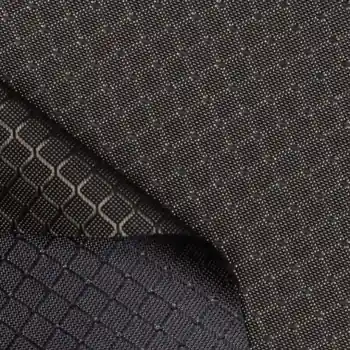
A ripstop cap brief should identify the fabric behind the visible grid. That pattern is useful for comparing appearance and panel direction, but it does not establish a particular tear-strength result, fibre composition or weather performance. Keep those requirements explicit in the material proposal.
Use the performance cap guide for the complete construction. This checklist connects the grid reference with actual fabric information, sample handling and any required tear-performance evidence.
Identify the selected cloth and finish
Record the actual fabric reference, declared fibre composition, relevant construction information, mass and finish. Include the proposed colour and a physical swatch. Keep a different coating, backing or fabric version identifiable even when the grid looks similar.
Describe the visible grid with a close view and scale reference where useful. Mark its orientation on the proposed cap pattern if it affects appearance. Ask the supplier to explain the particular cloth rather than treat “ripstop” as a complete technical specification.
State the tear question you need answered
If tear performance is a requirement, agree the applicable evaluation with the responsible technical party. ASTM D1424 describes a falling-pendulum method for measuring the force needed to propagate a tear from a cut in fabric. Its applicability and specimen requirements need review for the actual material.
Record the tested reference, direction, condition, units and acceptance basis as relevant. A fabric tear result and a finished seam or complete-cap review answer different questions. Keep any marketing claim within the scope of the evidence obtained.
Review the cap around the chosen fabric
Check panel joins, visor attachment, the rear opening and any ventilation feature on the assembled sample. Look at the surrounding fabric and inside finish where stitches or trim attachments enter the cloth. Record the accepted construction and any local distortion or unwanted opening.
Review the proposed decoration at the intended size and coverage. If a patch, transfer or support changes the local construction, keep that configuration identifiable. A representative decorated sample is more useful than extending an approval from an undecorated swatch.
| Check | Reference to retain |
|---|---|
| Cloth identity | Actual fabric, composition, mass, finish and colour |
| Grid reference | Close view, relevant scale and panel orientation |
| Tear requirement | Applicable method, tested configuration and evidence scope |
| Assembly review | Seams, openings, attachments and decorated sample |
| Release reference | Accepted cap, component version and claim wording |
Keep handling and weather requirements separate
If the cap must pack down or recover after handling, define that trial on the actual visor and crown combination. A grid appearance does not approve packability or water resistance. Ask for the evidence relevant to each requirement instead of combining them into one material label.
Discuss the cap through the performance product page. Use the component-alternative review for substitutes, then send the selected cloth and evidence expectations through Contact Wenext Caps.