
A wholesale golf visor order becomes easier to plan when the total is broken into the items each buyer will receive. Colour, logo, fit arrangement and packing can all create separate variations. Identify those combinations before asking for a proposal or approving a release.
Use the Sun Visor Buying Guide to define the open-crown product. This article focuses on the assortment and receiving plan for club shops, events and other wholesale programmes.
Define the shared visor body
Identify the band shape, brim, size system, rear fastening, materials and inside finish intended for the range. Give the body specification a reference. Keep any alternative construction distinct while it is being considered.
If several logos use the same body, show that shared construction clearly. When a colourway also changes the material, closure or brim, record those differences. A shared product name does not establish that every component is the same.
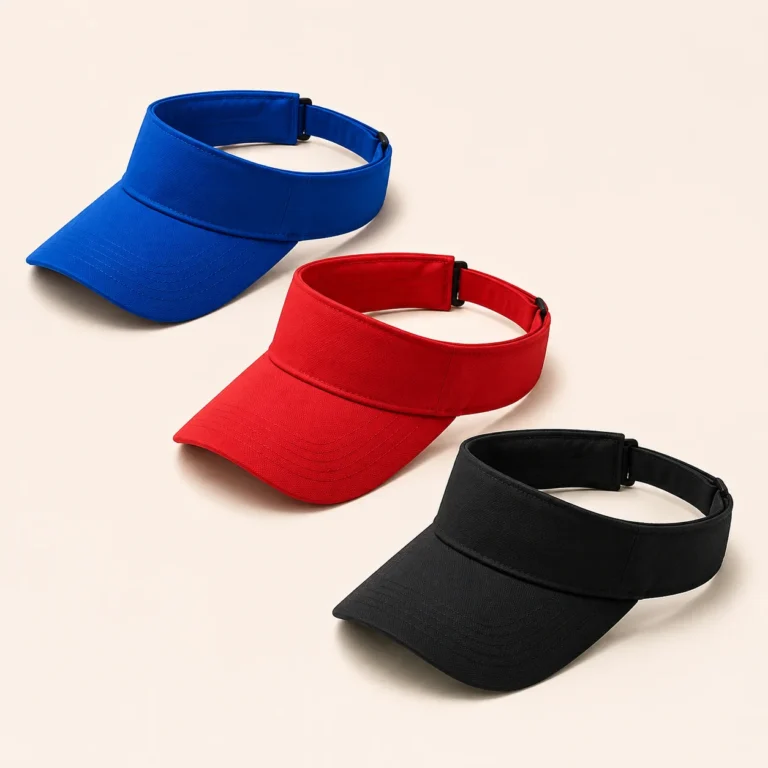
Count complete variations
List each colour, artwork and size or fit combination with its own quantity. Include blank versions as separate items where they are part of the order. Keep the accepted artwork revision and thread or other decoration references with the relevant row.
For example, navy visors for a club shop and navy visors for an event may use the same body but different front marks. Identify both complete items. This makes their decoration quantities and packing allocation visible without separating them into unrelated enquiries.
Separate product identity from receiving allocation
A product variation describes the supplied item; an allocation describes where some of that item will go. Record the required quantity for each destination or receiving group, then reconcile those allocations with the item total.
Keep club, event, store or release references clear in the packing instructions. If the same item is split between groups, show the split. If a group contains several items, list its contents so the receiving team can check the mix.
Identify the retail data required
Keep the buyer’s style codes, item descriptions and approved label data consistent across the relevant documents. Identify who provides retail identifiers and who approves the printed information.
Where the range uses GS1 identifiers, the official GS1 GTIN explanation describes trade-item identification. Agree the identifiers required by the receiving system and keep them distinct from an internal artwork or style reference.
Choose sample coverage for the actual differences
Identify which proposed variations change the band, materials, brim, fastening or decoration method. Ask which samples are needed to review those differences. Mark temporary components and keep the purpose of each sample clear.
A body sample can establish selected construction details while leaving a new decorated application open. Keep accepted features separate from unresolved ones rather than extending one approval across an unidentified assortment.
Agree the carton contents and presentation
State whether cartons should hold one item, a defined mixed assortment or an allocation for a particular recipient. List the contents and quantities using the same item references as the order breakdown. Review the proposed nesting or other packing arrangement with the brim and band construction.
Connect carton marks, packing-list entries and receiving groups before approving printed data. Keep a change to the assortment visible in the corresponding packing revision.
Confirm the proposal against the final breakdown
- Shared visor body reference and accepted construction.
- Each complete variation and its quantity.
- Artwork, label and retail-data revisions.
- Sample approvals and open differences.
- Receiving groups, carton contents and intended release timing.
Ask for minimums, included development work and timing against that complete plan. Request an updated confirmation when the item mix or specification changes.
Discuss the product through the Wenext sun visor product page. Send the assortment and receiving breakdown through Contact Wenext Caps.