
“Six-panel baseball cap” is a useful starting description for an enquiry. It names a crown construction and a familiar product category. The supplier still needs to know which profile, support, visor, fit arrangement and branding combination you want to develop.
Treat those terms as the beginning of the brief. The 6-Panel Cap Buying Guide helps define the construction, while the Baseball Cap Buying Guide covers the broader category decisions. This article explains how to connect the two descriptions when selecting a cap for your range.
Use the panel count to make the crown reference specific
Show the selected panel layout in front, side, top and rear views. Mark the front centre seam, the joins near the top and the rear opening. Identify the intended top finish and any features that should change from the reference sample.
The count gives the manufacturer a construction direction. The drawing and sample establish the shape being requested. A reference described only as a baseball cap can leave those details open, so include the actual layout when six-panel construction is part of the design.
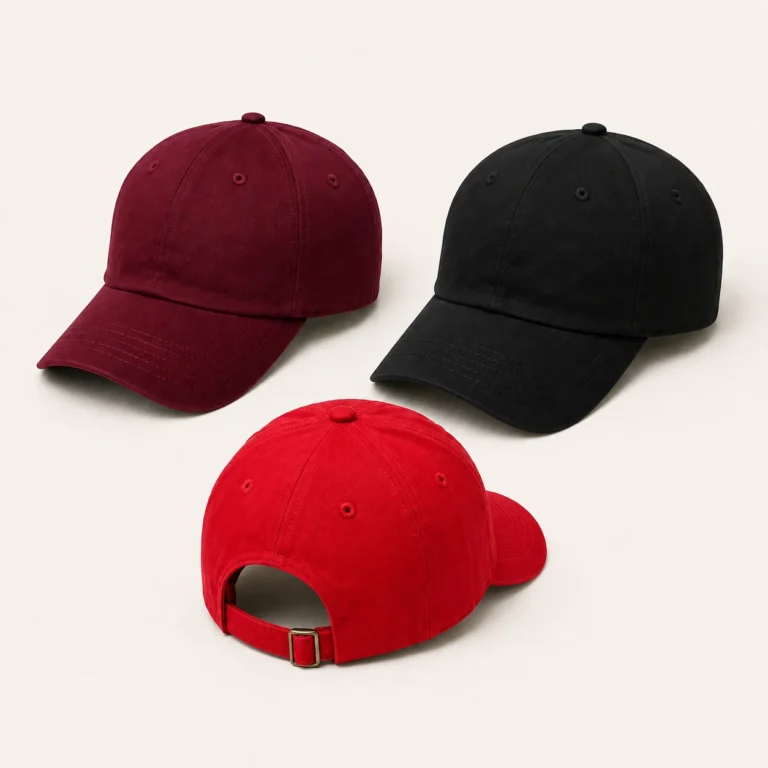
Let the category describe the intended collection
Explain how the cap fits the range: retail headwear, team merchandise, company uniforms or another stated use. Include the wearer and the desired wearing position. This gives context to the silhouette and branding decisions.
Then identify the features that define your item. A familiar category name does not settle the proposed material, crown depth or inside components. Keep those requirements visible even when the product reference looks straightforward.
Specify profile, support and fastening as separate choices
Official product descriptions often name these features separately. AS Colour’s Icon Cap is described with a six-panel construction, mid profile, structured crown, curved peak and plastic snapback. That combination belongs to its own product.
Use the example to see what a complete feature description can identify. For a Wenext cap, state the intended profile, ask which support is proposed and name the required fit arrangement. The accepted sample should connect those choices to the actual material and components.
If the project needs fitted sizes, provide the applicable size set and quantity breakdown. If it needs an adjustable cap, define the relevant fit review and fastening. Keep the rear construction and inside band with the same item reference as the crown.
Turn a short enquiry into an identifiable item
Consider an initial request for a curved-visor baseball cap with a front logo. The next useful step is to identify the actual six-panel reference and the unresolved design choices. A compact brief can bring those details together:
- Crown: marked panel layout, profile and top finish.
- Inside construction: proposed support, lining, sweatband and seam treatment.
- Visor: outline, dimensions, supplied curve and relevant stitching.
- Fit: size system, measurements, wearer setup and closure where applicable.
- Branding: artwork revision, application, dimensions and front-seam placement.
- Order: item quantities, trims, packing and intended destination.
Mark a detail as provisional when a supplier proposal is still needed. This is more useful than leaving the field blank and discovering later that each party assumed a different component.
Compare samples against the same wearing setup
Use consistent front and side views when comparing the crown and visor. Record the relevant closure setting or fitted size. Review the decorated front with the actual centre seam rather than approving the graphic only on a generic mockup.
The six-panel sample planning checklist helps separate an early construction decision from final approval of the complete cap. Identify temporary materials and the points that need another review when the intended combination is available.
Choose the product route from the brief
Use the Wenext custom six-panel cap page when the selected panel construction is central to the project. The Wenext baseball cap page provides the broader product discussion. Keep one current specification when moving between those conversations.
Send the marked cap views, proposed features and quantity breakdown through Contact Wenext Caps. The aim is a proposal for an identifiable cap, with the open choices clearly stated before sampling begins.