
A wholesale six-panel cap range can include several fit arrangements under one collection name. An adjustable cap needs a defined adjustment brief. A fitted version needs a size set and quantities assigned to those sizes. The order breakdown should make that difference visible before a supplier prepares the proposal.
Use the 6-Panel Cap Buying Guide to connect the assortment with the crown and component decisions. This article focuses on turning the proposed range into an item list that can be sampled, quoted and packed accurately.
Separate the fit system from the six-panel construction
Identify which items use an adjustable fastening, fixed fitted sizes or another agreed arrangement. Keep the fit requirement with each item. The same panel count does not define the rear construction or the size system.
For an adjustable cap, record the proposed closure and required fit review. For a fitted cap, identify the size labels, measurement references and sample coverage needed. The Fitted Cap Buying Guide provides a separate framework for that size-set decision.
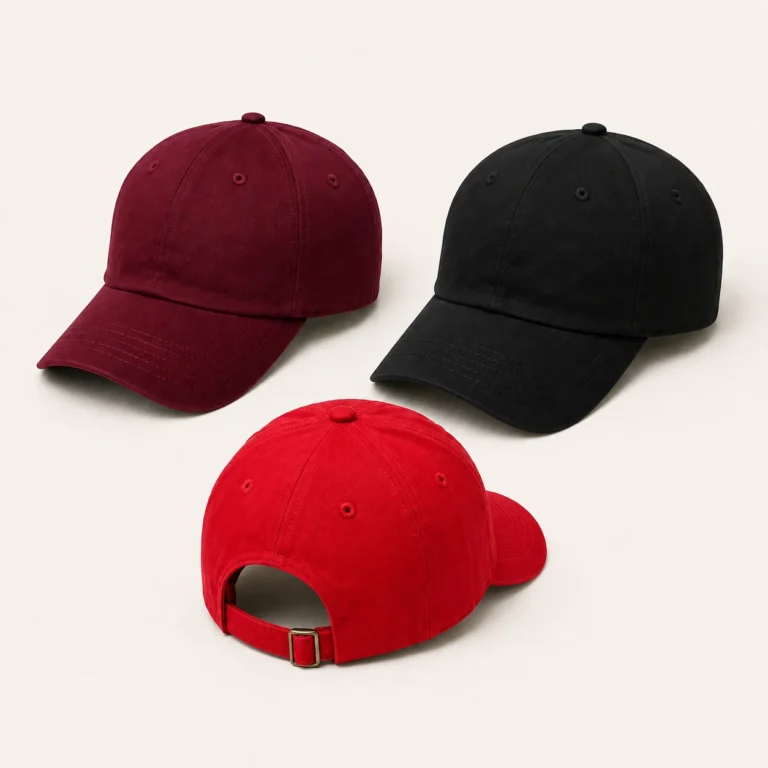
List the differences that need their own quantity
Give each relevant colourway, graphic, fit version and packing variation an item reference. State what stays common, such as the selected crown construction, and what changes between items. This avoids repeating the whole specification while keeping the differences clear.
If a fitted version is included, show the quantity by the applicable size. For adjustable items, identify the proposed fastening and any other version differences. Check that every line contributes to the intended total and that there are no unassigned units.
Ask the wholesale six-panel cap supplier to confirm minimums and feasibility against this actual breakdown. A combined order total may leave material, colour, size or style assumptions unresolved. Mark a provisional assortment clearly until it is confirmed.
Keep artwork and labels connected to the same item
A shared front logo may use different colours across the range. Fitted versions may need different size indications, while a retailer may request its own tag or item reference. Put these requirements beside the item they apply to.
Where standardized retail identification is required, clarify the buyer’s system and the responsible party. GS1 explains the GTIN as a trade-item identifier. Confirm the applicable identifiers with the responsible brand or buyer rather than treating an internal style nickname as interchangeable retail data.
Build a quantity matrix that supports the next handoff
| Field | What it should establish |
|---|---|
| Item reference | The specific construction, colourway and graphic combination |
| Fit arrangement | Selected fastening, fitted size or other agreed version |
| Quantity | Units assigned to that item and applicable size |
| Artwork and labels | Approved logo treatment, size indication and retail files |
| Pack composition | Which items and quantities the recipient expects together |
Keep one current quantity version available to both parties. If the mix changes during sampling, identify the affected items and request an updated proposal where necessary. Earlier estimates should remain distinguishable from the released order breakdown.
Agree the sample coverage for the proposed range
Ask which samples will establish the common construction and which differences need their own review. A change in fit system, material, artwork or trim can raise a different question from a simple colour reference. Record what each approval covers.
Use the six-panel sample planning checklist to track provisional components and size or fit decisions. Keep the relevant item references on the comments so the approval can be matched to the order matrix.
Plan receiving before approving mixed packs
Confirm whether the recipient wants items separated or packed in defined assortments. Identify the information expected on caps, packs and cartons. A range with several sizes or graphics needs a packing breakdown that preserves their identity.
Review the cap’s presentation after unpacking as well as the quantity count. Keep the supplied visor and crown condition connected to the accepted packing arrangement. If the pack composition changes, ask whether that presentation needs another check.
Discuss the range through the Wenext six-panel cap product page. Send the proposed item matrix, quantities and packing expectations through Contact Wenext Caps so the quotation can address the actual assortment.