
A six-panel cap should be reviewed as an assembled shape. The front seam, panel joins, top finish and visor all contribute to the appearance the buyer accepts. A useful quality brief identifies the reference views and the observations to record, so a comment about an uneven crown has a clear location.
Agree that review with the six-panel cap manufacturer before release. The 6-Panel Cap Buying Guide covers the wider specification. This article focuses on crown symmetry and the inspection references that make an appearance decision repeatable.
Start with the accepted cap in a consistent setup
Identify the sample and specification revision being used as the reference. Record whether the cap is worn, placed on a display form or reviewed in another agreed condition. Keep the relevant closure setting or fitted size with the photographs.
Use comparable front, side, top and rear views when reviewing another cap. A change in how the cap is arranged can obscure the feature being compared. Include relevant measurements with units and defined points where the specification calls for them.
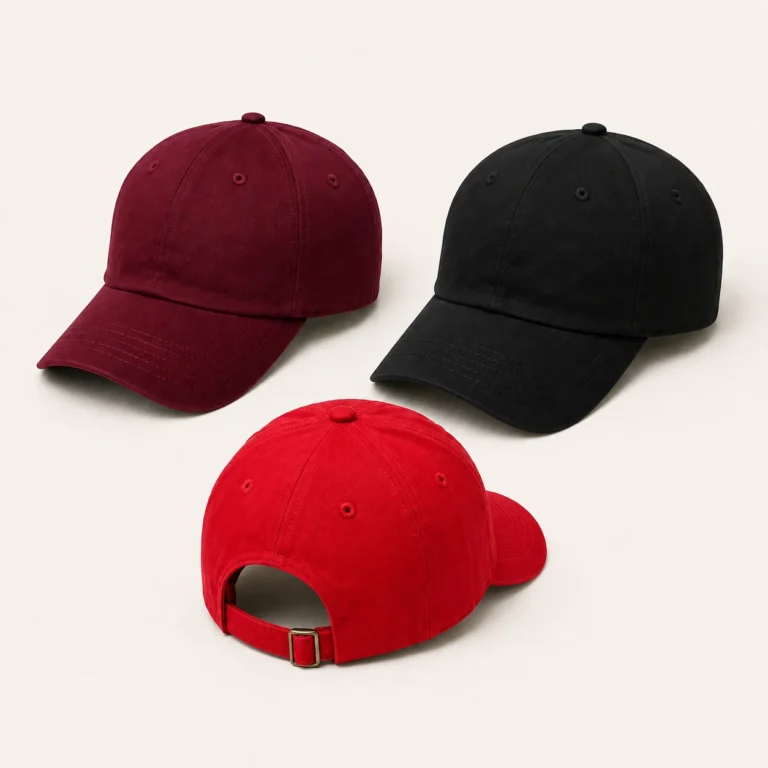
Locate the front seam and visor relationship
Compare the front centre seam and the visor using the accepted views and reference points. Review the panel appearance on both sides and the transition where the visor meets the crown. Keep the front artwork visible where it forms part of that appearance approval.
Describe a concern at the feature itself: the observed seam position, a particular panel junction or the visor alignment in a named view. If a dimension is outside the agreed requirement, record the measurement and method. Avoid replacing a specific observation with a general instruction to make the whole cap more balanced.
Review the top junction and rear opening
Use the top view to compare the panel joins and intended top finish. Where a button is specified, include its location and visible treatment in the review. Record the accepted reference rather than treating a component as a way to overlook an unresolved construction detail.
At the rear, check the opening and fastening against the selected design. Include the strap arrangement and relevant inside band or seam details. Review the applicable adjustment settings where they affect the appearance or fit decision.
Give a contrast-panel design its own reference
Mark the colours assigned to the front, side and other relevant panels. Review the assembled arrangement with its intended thread and edge treatments. A seam that is part of a visible contrast design needs an identifiable accepted appearance.
Keep each colourway tied to the applicable sample or approved reference. If a panel material changes, ask which construction and appearance points need another check. The same style name can cover a revised combination that should remain visible in the record.
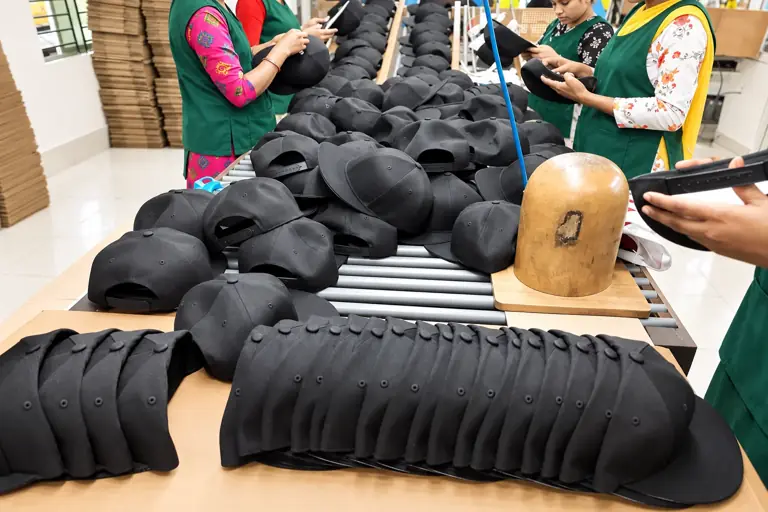
Separate product requirements from the lot-inspection plan
The appearance reference explains what is being assessed. A lot-inspection plan explains the agreed selection and acceptance process. If the parties use acceptance sampling, identify the applicable method and the responsible inspection instructions.
ISO 2859-1:2026 is an official reference for AQL-indexed sampling schemes for inspection by attributes. Agree the applicable plan for the order alongside the cap’s detailed requirements. Naming the standard or an AQL alone does not define the accepted crown appearance or establish an inspection result.
Write a finding that the next reviewer can follow
A short record can keep the evidence and decision together:
- Item: style, colourway, fit version and specification revision.
- Location: seam, panel join, visor, top finish or rear feature.
- Observation: what was seen or measured in the agreed setup.
- Reference: the applicable sample, drawing, view or requirement.
- Decision: accepted, held for review or requiring a defined correction.
- Follow-up: the evidence needed to close that correction.
Keep the accepted details clear while a particular feature is revised. Use the six-panel sample approval plan to connect a revised sample to the original comment. Retain the relevant references through the production and packing discussion.
Discuss the requirements through the Wenext six-panel cap product page. Send the marked reference views and inspection questions through Contact Wenext Caps so the proposal can address the actual appearance standard.