
Two caps can use the same snap closure and still look very different when worn. The snapback crown profile determines much of that difference: the front angle, the space above the head and the way the crown meets the visor all contribute to the silhouette. A buyer brief that says only “high profile” leaves several of those details undecided.
This guide focuses on comparing crown shapes. For the complete specification, including closure, fabric, decoration and packing, use the Snapback Cap Buying Guide.
Separate profile, depth and structure
Profile describes the visible shape of the crown, especially its front height and slope. Depth concerns how much vertical room the cap provides and how it sits on the wearer. Structure refers to the support that helps the front retain its form. These are connected, but they are not interchangeable specifications.
A crown can have a relatively upright front without matching the depth of another upright style. A softer crown may also change shape when worn. Describe the appearance and support you want, then confirm the fit separately. Avoid assigning a universal measurement to low, mid or high profile; agree what those words mean for your reference and sample.
Compare reference caps under the same conditions
Use front, side and rear views taken from comparable positions. Keep the cap level and avoid a steep camera angle that exaggerates the front height or hides the visor. Include a worn view where appropriate, because an empty crown can suggest a different shape from the same cap on a head.
Mark the exact features you want to retain: a more vertical front, a rounder top, less space above the head or a shallower side. “Make it like this” is less useful than a reference with two or three specific instructions. Do not ask a front photograph to establish measurements that it cannot show.
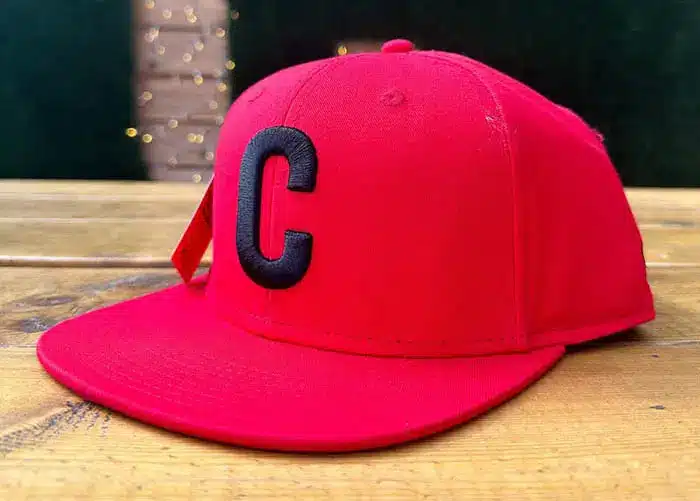
Record the shape decisions in a comparison sheet
Keep the reference and proposed sample in separate columns in your working file. Record what matches and what still needs adjustment. The following points help turn a preference into a reviewable instruction.
| Point to compare | What to describe or check |
|---|---|
| Front slope | How upright or angled the front should appear in the side view. |
| Top shape | The desired roundness, peak position and space above the head. |
| Crown depth | The agreed measurement method and the intended worn position. |
| Front support | The reinforcement reference and how firmly the front should hold its shape. |
| Panel layout | Seam positions, front panel proportions and symmetry. |
| Visor balance | How visor width, length and curve look against the crown. |
Agree how crown measurements will be taken
Name the measurement points and show the method on a reference image or specification drawing. A measurement following a curved seam is different from a straight distance between two points. The cap’s condition also matters: state whether it is unsupported, placed on a form or checked in another agreed position.
Record units, the target and the tolerance agreed for the order. Do not combine dimensions taken by different methods and treat them as equivalent. Use the same method when reviewing the development sample and when checking the finished production reference.
Review support and fabric together
Front reinforcement, outer fabric and panel construction work together. A change in fabric or support can alter the feel and visible shape even when the pattern remains similar. Ask which proposed material combination the sample represents, and identify any colorways that use a different fabric or finish.
For an independent example of the terminology, New Era’s silhouette guide distinguishes crown profile, reinforcement and panel layout within its own styles. Its branded shapes are reference examples, rather than specifications for a Wenext Caps order.
Check the crown and visor as one silhouette
Look from the front for a centered visor and balanced sides. From the side, compare visor angle, front slope and the transition into the top of the crown. A wide or strongly curved visor can change how tall the front appears, so avoid approving those parts from unrelated samples.
Place the intended logo on the actual crown during the decoration review. The available front area, a center seam and the surface curve can affect how the artwork sits. If the sample shape changes after a logo trial, confirm whether the placement still works.
Write useful sample comments
Separate appearance comments from fit comments. For example, “keep the front slope, review the crown depth using the marked measurement points” gives the sample team more direction than “the cap looks too big.” Identify the sample revision and keep accepted details visible while discussing the remaining changes.
Use the snapback sampling and order guide to organize that approval stage. If the alternative is a mesh-back style, also review the trucker fit and rear-opening checks; a similar front appearance does not establish identical fit.
Frequently asked questions
Does a high-profile snapback always have a deeper fit?
No. The visible front height and the way the cap sits are related but separate checks. Compare the actual sample and agreed measurements instead of relying on the profile label alone.
Does five-panel construction always mean a higher crown?
No. Panel count does not specify the complete shape. Review the pattern proportions, front support, depth and finished silhouette of the proposed construction.
Can a photograph be the only crown approval reference?
It can communicate an appearance, but it cannot establish fit, hand feel or a repeatable measurement method. Agree the physical sample and written details that will control production.
Develop your snapback shape with Wenext Caps
Visit the main snapback cap product page and send your crown references and sample brief. Include the views, measurement method, material direction and proposed quantities, with a clear note of the decisions that remain open.