
A camper-cap carton should arrive with identifiable contents and a clear basis for checking their condition. The packing plan needs to account for the actual crown, visor, closure and retail trims, along with the receiving team’s handling needs. A generic carton count cannot settle those details.
Use the 5-panel cap buying guide for construction choices and the five-panel cap product page for a proposed order. This article covers the packing trial, receipt record and information needed to review a later restock.
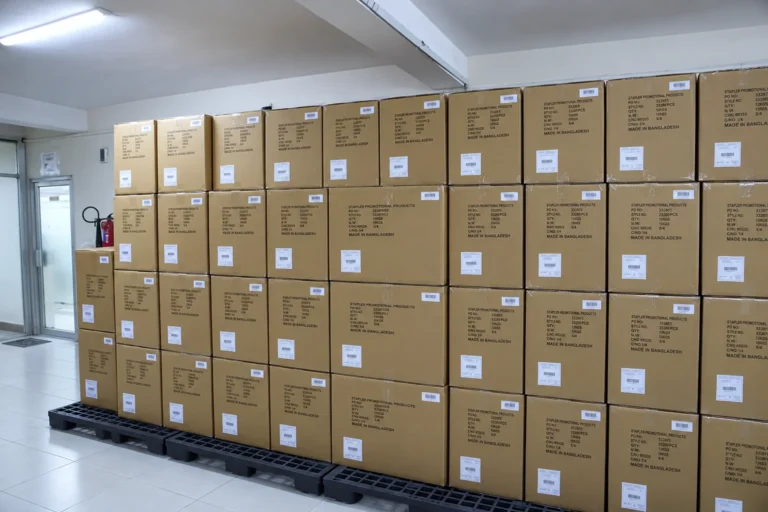
Trial the actual selling unit in the carton
Choose a representative cap with its proposed visor, closure, labels and hangtag. Record how the caps are arranged, what separates them where required and how retail trims sit in that arrangement. Mark any temporary packing material as provisional.
Agree a handling and unpacking check appropriate to the route being reviewed. Compare the crown, visor and retail presentation before and after it. A cap described as packable still needs its proposed carton arrangement checked; the material name alone does not approve stacking pressure or handling.
Make the carton contents easy to reconcile
List finished-item references and quantities against each carton or defined packing group. Keep mixed-colour or mixed-logo cartons explicit. The receiver should be able to compare the physical contents with the packing list without reconstructing the order from photographs.
Where the buyer uses a GS1 logistics system, confirm the required label format and responsible party. The GS1 Logistic Label Guideline provides that framework. Apply the agreed identifiers to the correct logistics units; do not invent codes from an internal style name.
Agree the receiving record before dispatch
Identify who receives the delivery and what they should record when a carton is opened. Useful fields include the carton reference, item quantities, visible carton condition and any observed product or trim issue. Keep arrival damage and a product specification difference separately described.
If a discrepancy appears, photograph the carton identity and affected item with a clear description. Note how many pieces were reviewed and what was observed. Those records support a follow-up discussion without treating one photograph as proof about every piece in the shipment.
| Review field | Record for this design |
|---|---|
| Packing trial | Cap version, arrangement, materials and agreed unpacking result |
| Carton identity | Packing-list reference and declared items and quantities |
| Receipt findings | Date, carton condition, quantity check and specific observations |
| Item condition | Crown, visor, decoration and retail trims reviewed |
| Restock basis | Accepted references, earlier findings and any changed components |
Carry receiving feedback into replenishment
Keep useful receipt findings beside the accepted packing reference. Before a restock, identify changes to the cap, trim set, assortment, receiving destination or packing material. Ask whether the change needs a new trial or revised carton plan.
For the item quantities behind that plan, read the wholesale five-panel assortment checklist. For folding or travel handling of the cap itself, use the camper-cap packability review. Bring the order references and receiving requirements to Contact Wenext Caps before the packing scope is confirmed.