
A canvas cap finish review starts with the actual cloth and the supplied state. A firm untreated reference, a washed sample and a coated surface can raise different appearance, decoration and handling questions. Keep each proposed finish identifiable instead of treating the word “canvas” as a complete material specification.
Use the five-panel guide or work cap guide for the cap construction. This checklist concentrates on the finish, surface condition and assembled sample.
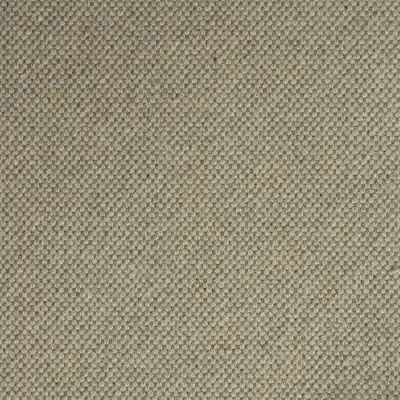
Identify the base cloth and the offered finish
Record the fabric reference, declared composition, weave, mass and proposed treatment. Ask which finish description refers to the cloth as received and which refers to a later cap process. Keep a physical reference for the state being discussed.
CottonWorks’ basic woven fabric guide helps explain weave terminology. A trade name or visible texture does not settle the exact composition, coating or care requirements of the selected canvas.
Review the surface at the relevant stage
Compare shade, visible texture, sheen and hand feel using consistent views and references. If washing is proposed, ask when it occurs relative to assembly and trim attachment. Keep an untreated swatch distinct from a finished cap approval.
Where a waxed or coated option is offered, request the actual finish identity and its application or care information from the responsible supplier. Discuss any required weather or durability evidence separately; a surface description is not a measured performance result.
Check joins and decoration on that finish
Review panel intersections, the crown-to-visor join, band contact areas and rear adjustment. Ask how the selected cloth and finish affect the proposed seam stack. Record ridges, distortion or handling marks on the actual sample instead of deciding from a flat swatch alone.
Apply the intended embroidery, badge, print or transfer to the selected finished surface. Review the surrounding cloth and inside result as well as the graphic. A changed finish should remain visible in the application record.
| Check | Reference to retain |
|---|---|
| Base cloth | Fabric reference, composition, weave and mass |
| Finish state | Offered treatment, stage and physical reference |
| Surface appearance | Shade, texture, sheen and relevant handling observations |
| Assembly and logo | Seam areas, actual application and accepted sample |
| Use and packing | Required evidence, care source and unpacked condition |
Retain the supplied and unpacked appearance
Trial the intended packing where the finish or cap shape makes it relevant. Compare the unpacked unit with the accepted reference condition. Keep the relevant care information and any limitations with the released material rather than supplying a generic instruction for every canvas cap.
Use the heavy-cotton cloth and seam review when fabric mass is part of the brief. Discuss a five-panel or work cap through the relevant product page, then send the actual finish reference through Contact Wenext Caps.