
Work Cap and Uniform Headwear Guide
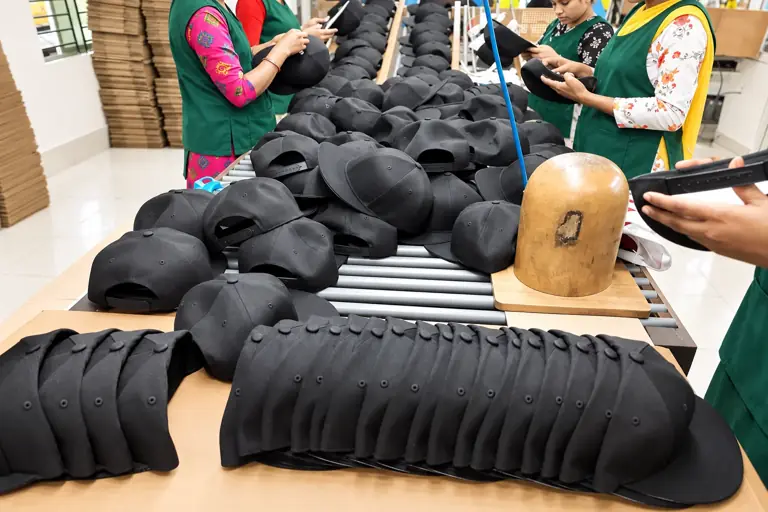
A work cap is part of a uniform programme: it needs to fit the intended team, carry the right identity and remain recognisable when the next order arrives. Begin with the roles and locations using it. A reception team, delivery depot and restaurant may share a brand while needing different cap specifications.
Use the Wenext Caps work cap product page to discuss development and quotation. This work cap and uniform headwear guide explains how to connect the uniform brief, sample approvals, allocations and replenishment records.
Define the uniform programme and its users
List the roles, locations and intended wearing situations. Identify whether caps are individually issued, held as replacement stock or supplied for a particular programme. Distinguish staff items from retail merchandise when their artwork, size coverage or presentation differs.
Ask the responsible workplace team to define any task-specific headwear requirements. The ordinary textile caps described here need an agreed uniform brief. A requirement for protective headwear calls for a separately specified and verified product.
Select a construction that matches the uniform
Review crown height, front support, panel arrangement and visor profile alongside the other garments. Compare actual cap references rather than relying on names such as high profile or low profile without dimensions. Show the front, side and rear appearance in the brief.
The Baseball Cap Buying Guide explains common construction decisions. If a mesh-back style is being considered, the Custom Trucker Hat Guide covers the relationship between its front, mesh and closure. Choose the construction for the accepted programme rather than adding features by default.
Check fit with the intended wearer range
Set the measurement chart, crown depth and adjustment arrangement. Review the sample with representative fit references, including the band, rear opening and closure at the proposed settings. An adjustable fastening does not establish that one pattern suits every team member.
Include routinely worn eyewear or other relevant items in the fit brief. Record the observed issue precisely: where the band presses, whether the visor position needs revision, or which adjustment setting was used. Keep those observations separate from untested material-performance claims.
Approve colour and materials as a set
Record the shell composition, weight, finish and colour reference, along with the sweatband, closure and visible trims. Compare the cap with the uniform under agreed viewing conditions. Garments made from different materials may not appear identical even when a digital colour reference is shared.
Pantone’s physical sample guidance explains the role of physical references. Retain the accepted swatches and finished cap reference. Mark proposed substitutions so colour, fit, care and appearance can be reviewed together.
Make company branding readable at its finished size
Provide authorised artwork, dimensions, colours and placement views. Separate the main company mark from department, role or location identifiers. Keep the artwork version visible on the approval record so a previous logo cannot be mistaken for the current one.
Review small lettering, seam crossings and the decorated interior on the actual cap. For embroidered designs, Madeira’s backing guidance offers a useful reference for fabric and design support. Approve the completed application as well as the artwork file.
For individual names or roles, use the personalised name cap order checklist to connect exact text, item IDs, layout examples and recipient packing. Keep spelling approval and the cap-variant match in the released item register, with corrections and replacements identified separately.
When staff, retail or event variants share one identity, use the multi-channel cap branding checklist to define the common mark and the approved channel differences. Keep the correct decoration version, complete cap and distribution allocation linked by item.
Connect the care brief to the approved product
Describe the intended care routine before final material and decoration choices. State who will confirm the care instructions and what review or evidence is needed. Check the full assembly, including the visor, closure, labels and decoration, against the agreed brief.
Do not convert a fabric description into a claim that the finished cap tolerates every cleaning process. Retain the accepted care information with the product version and review changes when components or decoration are substituted.
The corporate sample brief identifies wearer questions and the people responsible for each decision. If the same identity also appears on dealer or gift caps, the corporate assortment matrix keeps those versions separate from routine uniform issues.
Keep sample decisions in one controlled record
| Decision | Reference | Coverage to identify |
|---|---|---|
| Uniform appearance | Cap views and garment colour references | Roles, locations and accepted variants |
| Fit | Chart, measuring method and sample comments | Sizes and adjustment arrangement |
| Materials and care | Component specifications and care review | Accepted combinations and substitutions |
| Branding | Authorised artwork and finished application | Logo, role and location versions |
| Supply presentation | Allocation sheet and packing reference | Item quantities and receiving locations |
Identify the dated sample and distinguish accepted features from open changes. Confirm which versions each approval covers. A new department logo or fabric colour may need a different review even when the base cap pattern is retained.
For race staff and volunteers, the marathon crew pack plan connects approved role wording with cap variants, issue stations and closing stock counts. Keep this staff allocation separate from runner merchandise and the event’s own identification arrangements.
Plan distribution and repeat orders
Give each style, colour, size and artwork combination a stable item reference. Reconcile the complete order quantity with location or department allocations. Agree how inner packs, cartons and packing records will identify their contents for the receiving team.
Use the buyer’s actual identification system. Where a logistics barcode programme is required, the GS1 Logistic Label Guideline is an official reference; a carton code should not be invented or presented as a GS1 identifier without the appropriate implementation.
For replenishment, retain the accepted specification, artwork, material references and change history. Confirm availability and timing again when requesting the next order. Explain whether it is an exact repeat or a revised version, and identify how it should be separated from existing stock.
Work cap planning resources
Department and role briefs
- Resort Staff Caps: Department Ranges and Seasonal Supply — coordinate uniform appearance, role variants and seasonal quantities.
- Restaurant Staff Caps: Role, Fit and Care Briefs — connect the operator’s role requirements to fit, branding and the care brief.
Locations, allocations and replacement stock
- Delivery Uniform Caps: Fit Reviews and Depot Rollouts — retain wearer feedback and organise depot receiving information.
- Staff Cap Rollouts: Branch Allocations and Replacement Stock — reconcile approved items, location quantities and reserve stock.
Specifications and repeat orders
- Uniform Cap Reorders: Specifications, Revisions and Substitutions — distinguish a repeat from a revision and review proposed component changes.
Common uniform headwear questions
Can one cap be used across several staff roles?
It can be proposed as a shared style, with the fit, role requirements and artwork differences reviewed explicitly. Keep separate item references wherever the accepted product differs.
What is needed for a useful quotation?
Send the cap reference, wearer range, materials, logo files, colour and size quantities, receiving breakdown and requested timing. Include the care brief and any other agreed requirements through Contact Wenext Caps.