
A wholesale stretch-fit cap order is an assortment of size bands, colors and logo versions. The overall quantity matters, but the breakdown determines what a warehouse receives and what a retailer can sell. A simple total such as “600 navy caps” leaves important questions unanswered if customers need different fits.
This guide explains how to build that assortment before requesting a quotation. Begin with the Stretch-Fit Cap Buying Guide for construction and sample decisions. Use the main stretch-fit cap product page for the manufacturing enquiry.
Confirm the size system before dividing quantities
Identify the intended size bands and the actual construction. Two suppliers can use the same S/M label for different wearing ranges. Establish the agreed fit and size references before treating the labels as interchangeable stock items.
New Era’s sizing chart shows a brand-specific approach to fitted and stretch-fit sizes. It can help explain why a chart must identify the relevant product; it does not establish the size range of a custom Wenext Caps order. Use the stretch-fit sizing checklist for your own sample review.
Create one order line for each distinct item
Give each combination a reference that the buyer and supplier can reconcile. Include the style, fabric color, decoration version and size band. If two caps differ only in a small side logo, keep that distinction visible in the order file.
- Item reference: the code used on the order and packing records.
- Construction revision: the approved sample or specification reference.
- Color and artwork: the exact combination being ordered.
- Size band: the label and its approved size-system reference.
- Quantity: the number of caps for that combination.
- Receiving instructions: any required inner pack, carton or destination split.
Keep the description understandable as well as coded. An unexplained item number may work inside one business but confuse the supplier or the receiving warehouse.
Build the ratio from your own demand
Use relevant sales history, wearer measurements, customer orders or a documented launch assumption. There is no single size ratio that can safely be applied to every country, collection or audience. Record which parts of the plan come from evidence and which remain estimates.
Review each color independently. A total size split across the whole order can hide a shortage in one colorway. Check that the quantities in each line add up to the color subtotal and that all subtotals reconcile with the purchase-order total.
Check order constraints against the actual breakdown
Ask the supplier to review minimum quantities, material availability and sampling requirements for the proposed combinations. A total order quantity does not explain whether a particular fabric color, size band or trim version is feasible at its requested quantity.
Request any suggested consolidation in writing. If the proposal combines colors, changes a size split or substitutes a component, update the working assortment and obtain approval before confirming it. Keep the original request available so the change is visible.
Agree how mixed cartons will be identified
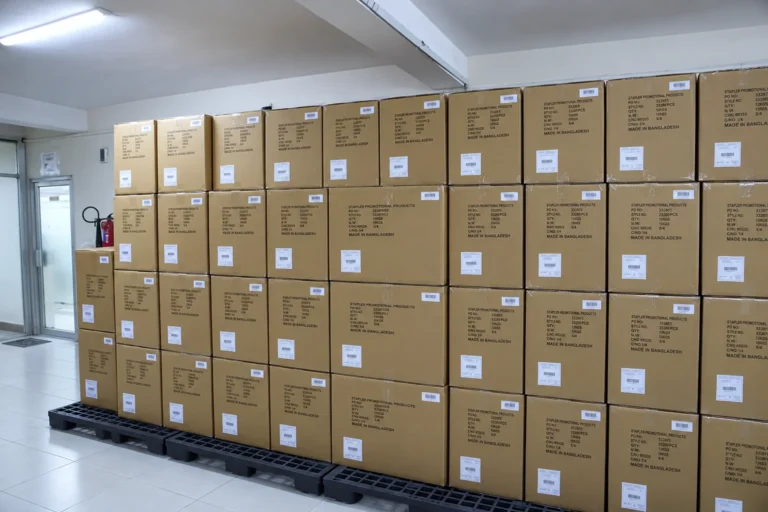
Choose whether cartons contain a single item or an agreed mixture. State the quantity of each item inside a mixed carton. Do not leave warehouse staff to infer the assortment from the total carton count.
Align carton marks, inner-pack identification and the packing list. If a retailer requires barcodes or a particular label template, provide its instructions and approved data. Ask the supplier to confirm the format before labels are printed, then check a physical example and the packing record together.
Keep saleable stock separate from samples and spares
Identify development samples, approval samples and any agreed extra pieces separately from the saleable order. Confirm whether each is included in the quoted quantity or recorded elsewhere. This avoids a receiving discrepancy when the carton total appears correct but the retail assortment differs.
If a shortage or quantity adjustment is proposed before release, reconcile it by item. An equal total quantity with the wrong size mix may not meet the buyer’s needs. Record the accepted adjustment and revise the relevant order and packing documents consistently.
Prepare for receiving and the next order
Give the receiving team the final item list, size references, expected carton contents and any approved exceptions. Agree how discrepancies will be reported, including which carton and item references should accompany photographs or count records.
After delivery, compare sales or distribution by item with the original assumption. Use that information to plan the next assortment. Keep a reorder tied to the approved construction revision while reviewing current material availability, quantities and commercial terms separately.
Wholesale order questions
Can every color use the same size ratio?
It can if that is your approved plan, but check the demand for each color first. A convenient repeating ratio is not evidence that the assortment suits every customer group.
Should the packing list show only the total number of caps?
Provide enough detail to reconcile the agreed items and carton contents. The required format depends on the buyer’s receiving and shipping instructions.
What should go into the first wholesale enquiry?
Send the style and sample references, intended size bands, colors, artwork versions, quantities by item, packing instructions and destination. Identify which details still need development.
Discuss your stretch-fit assortment
Review the stretch-fit cap manufacturing page, then send Wenext Caps your wholesale breakdown. An item-by-item plan gives both sides a clearer basis for discussing samples, costing and packing.