
Wholesale snapback caps are easier to order and receive when every version has a clear identity. The front graphic may look similar across the range, while the crown color, visor, closure or label makes each cap a separate item. Build the assortment around those differences before finalizing quantities.
This guide covers the order matrix, packing ratios and repeat-order references. Use the Snapback Cap Buying Guide for the construction and sample decisions that come first.
Define each orderable version
Give every style and colorway a working item code. Record the crown and visor colors, closure reference, front artwork and any inside branding that varies. If the range includes different sizes, show the size against the relevant version.
Keep the code consistent across the range sheet, quotation, sample comments and packing instructions. A product photograph is useful for recognition, but the receiving team also needs a written description that distinguishes similar versions.
Choose the assortment before spreading the quantity
Separate established colors from new options you want to trial. Review the intended sales channel and the role of each version in the range. A small launch may be easier to manage with fewer combinations and a clear replenishment plan.
Ask Wenext Caps to review minimums and sourcing conditions for the actual quantity split. The total collection quantity may contain several different fabric, trim or artwork requirements. Confirm those details before treating every version as part of the same production setup.
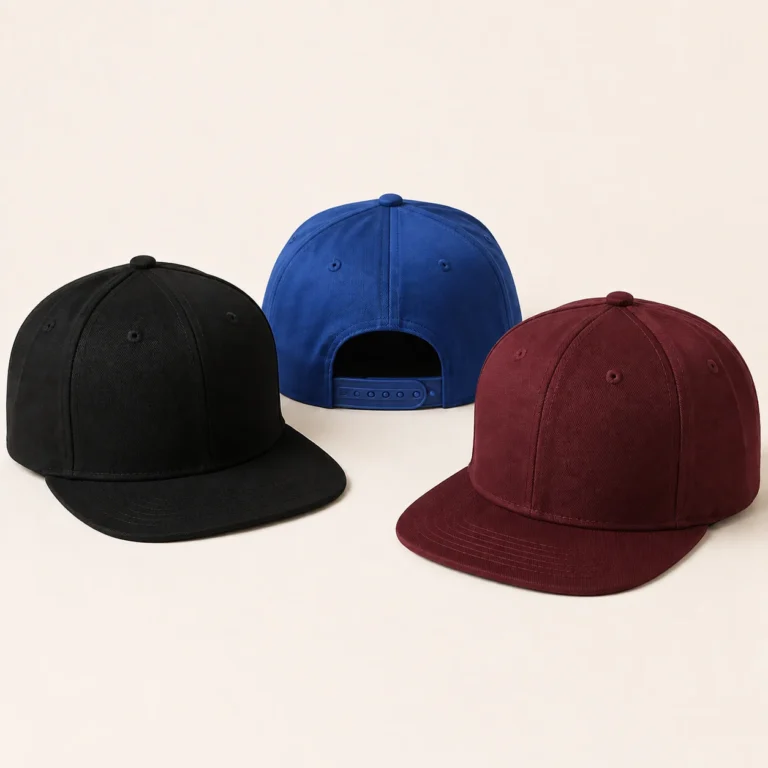
Describe mixed packs with an explicit ratio
A hypothetical twelve-piece pack could contain six black, four blue and two burgundy caps. Four identical packs would contain forty-eight caps: twenty-four black, sixteen blue and eight burgundy. This example shows how to reconcile the ratio; agree the actual pack and carton quantities for your project.
State whether cartons contain one item or an agreed mix. For a mixed carton, list the items and quantities in a repeatable order. Confirm how a warehouse will identify the assortment without opening every unit, and keep the carton reference connected to the packing list.
Keep one order and packing worksheet
| Field | Detail to record |
|---|---|
| Item identity | Working code, cap style, colorway, size if applicable and artwork revision. |
| Order quantity | Units per item, with the full assortment total reconciled. |
| Packing ratio | Single-item or mixed pack, including the exact quantity of each item. |
| Carton reference | Agreed marks, item or assortment code and stated carton quantity. |
| Receiving check | Expected item identity, count and condition checks for the delivery. |
| Reorder reference | Approved sample, specification version and confirmed changes. |
Align retail labels with the assortment
Check that hangtags, stickers and any barcode data identify the intended version. A shared front logo does not mean that every colorway should carry the same item information. Keep buyer-approved identifier data beside the range sheet and artwork schedule.
GS1 explains how GTINs identify trade items. Your working item code serves an internal purpose; confirm any retail identifier requirements with the sales channel. The private label snapback trim guide covers approval of labels, hangtags and their positions.
Check quantities and condition at receiving
Compare the delivery records with the agreed item and carton references. Record shortages, substitutions or a mixed ratio that differs from the instruction. Keep the issue tied to the relevant carton or item so the supplier can review a specific finding.
Check the presentation of the crown and visor after unpacking, along with visible workmanship and decoration. Use the approved reference and agreed inspection criteria for the order. Photographs should identify the affected item and show the detail being discussed.
Use sales results to plan the next order
Review demand by item rather than looking only at the assortment total. A repeat of a strong color may need a different quantity split from the original launch. Record the proposed change and ask whether it affects sourcing, minimums, packing or timing.
Keep the current sample and specification reference for every repeated item. For the wider range, the headwear collection planning guide helps organize shared details and style-specific exceptions.
Reconcile the plan with the quotation
Before confirming an order, check that the quotation covers the same item list, quantity split, branding and packing ratio. Ask for any assumptions or separately priced options to be identified. Use the snapback quote comparison checklist to review the commercial scope and timing milestones.
Common wholesale planning questions
Can one carton contain several snapback colors?
Discuss the proposed mix and identification method with the supplier. Record the quantity per item and the carton or assortment reference so the packing and receiving teams follow the same instruction.
Does a repeat order have to use the original color ratio?
You can propose a different split. Confirm the resulting order conditions and keep the unchanged construction and artwork references clearly identified.
How should I describe a wholesale cap range?
Provide the style and item list, construction references, component colors, artwork, estimated quantities and intended packing. Mark whether each item is a repeat or still requires development.
Prepare your wholesale snapback enquiry
Review the main snapback cap product page, then send Wenext Caps your assortment worksheet. Include the quantity split, sample status, proposed packing ratio and required receiving date so the team can review the complete plan.