
A structured six-panel cap brief should explain the front shape you want and the components proposed to achieve it. The word “structured” is useful as a direction, while the sample and specification identify the actual combination being approved.
Keep that construction decision connected to the outer fabric, lining, fit and decoration. The 6-Panel Cap Buying Guide covers the complete buying process. This article focuses on the front support and the sample evidence needed to make the brief specific.
Describe the intended front profile first
Use front and side views to show the desired crown height, slope and overall silhouette. Identify the wearing or display setup used in the reference. If the cap has been arranged for photography, explain which appearance the supplied product is expected to retain.
Structured and profile descriptions can appear together in a product listing. For example, AS Colour describes its Icon Cap as structured and mid-profile, alongside its six-panel construction. For your own development, name the profile and ask the supplier to identify the proposed inside build.
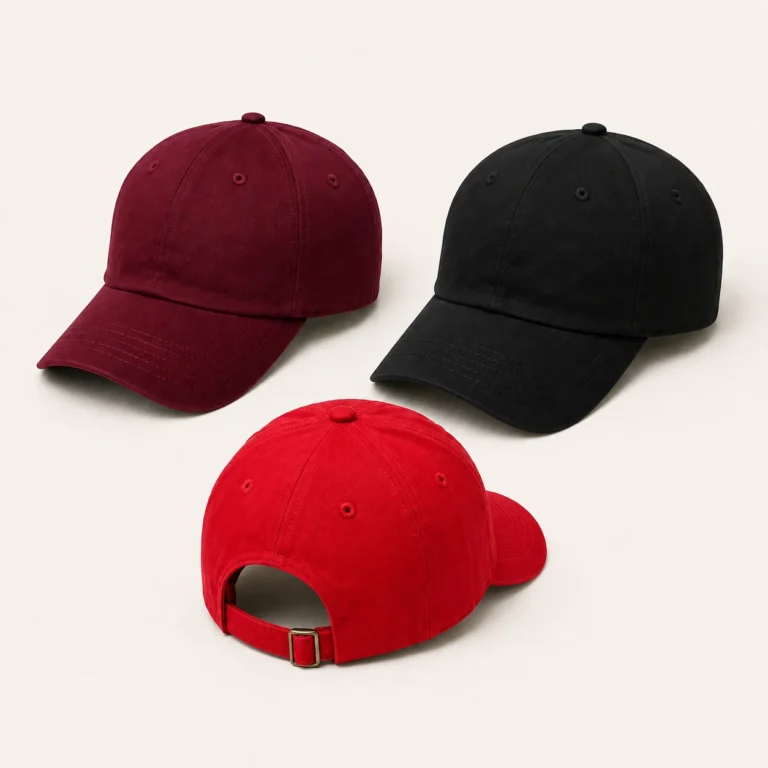
Identify the support and lining in the proposal
Ask which front support, lining and other relevant inside components are proposed. Record the applicable material references and their locations. Review the way the front panels, centre seam and inside band come together on the assembled sample.
If an early sample uses an available support material, mark it as provisional. State which shape and fit decisions it can demonstrate. When the intended component is fitted, agree the points that need another review.
Keep the outer fabric reference with that decision. A support proposal approved with one material should remain identifiable when the shell fabric or finish changes. Ask the supplier to explain which earlier approvals still apply to the new combination.
Discuss embroidery backing as its own application decision
For a decorated cap, identify the backing or other support proposed for the embroidery application. Keep that reference separate from the cap’s crown-construction components. The two decisions need to be clear in the specification even when they are reviewed on the same sample.
Madeira’s backing guidance provides a technical reference for embroidery support choices. Review the proposal with the actual design, fabric and front construction. Approval of an undecorated crown leaves the applied artwork result to be checked.
On the decorated sample, review the mark’s position across or beside the front seam, its finished dimensions and the surrounding panel. Include the inside result where relevant. Record the application version so it can be distinguished from an earlier trial.
Use the assembled cap to compare the result
Review the profile in consistent front and side views. Check the relevant inside contact areas in the agreed wearing setup. Keep the cap’s fit version and closure setting identifiable where they affect the comparison.
Look at the crown with the intended visor, band and trims. A separate material swatch or component photograph can identify an input, while the cap sample shows the combination. Keep those references connected instead of treating one as a substitute for the other.
| Decision | Reference to retain |
|---|---|
| Front profile | Accepted silhouette and review setup |
| Outer material | Applicable fabric and finishing state |
| Inside construction | Support, lining and relevant component locations |
| Decoration support | Embroidery or other application proposal and trial version |
| Complete sample | Reviewed cap combination and remaining approval conditions |
Approve the relevant finished and packed condition
If the project includes a finishing treatment, identify the state represented by the sample. Review the completed combination at the appropriate stage. Keep a temporary component or unfinished operation visible in the approval record.
Include the intended packing review and the cap’s appearance after unpacking where required. Record the accepted crown and visor presentation. A styled photograph taken earlier in development should remain distinguishable from the final supplied-state reference.
Make component changes a visible revision
When a fabric, support, lining or application changes, identify the affected item and ask which checks need to be repeated. Use the six-panel sample approval plan to track that follow-up. Preserve accepted details clearly while a specific revision is being developed.
Discuss the proposed construction through the Wenext six-panel cap product page. Send the profile views, component references and open support questions through Contact Wenext Caps so the next sample can address the intended build.