
A repeat order for six-panel caps needs more information than “same as last time.” The last sample, current materials and new quantity mix may no longer describe exactly the same item. Start by identifying the version you want to repeat and the differences proposed for the new order.
The 6-Panel Cap Buying Guide covers the main product choices. This article focuses on keeping a bulk six-panel cap order connected to its approved construction, component references and packing allocation.
Name the version being repeated
Identify the earlier order, cap style and approved sample revision. Retain the applicable crown measurements, fit system, visor specification, shell reference, support and artwork. Check that everyone is referring to the same version before discussing a repeat quantity.
If a previous order included several similar caps, identify the exact combination. A navy cap with a buckle closure and a navy snapback may share a colour name while requiring separate component and quantity records.
Review component continuity before confirming the order
Ask which components remain available as specified and which need a fresh confirmation. Include the shell fabric, front support, visor insert, closure, thread, labels and packaging relevant to the item. Keep proposed replacements identifiable while they are being reviewed.
Assess a replacement against the feature it may affect. A changed support can require a crown-shape review; a changed shell or decoration can require an updated embroidered sample. Use the six-panel sample planning guide to record what the next sample is intended to confirm.
Separate the repeated body from new variations
Keep a retained construction reference while assigning clear identities to new colours, logos, sizes or fastening options. State the quantity of each complete variation. A total alone can hide the work needed for a new artwork setup or material choice.
Use the six-panel assortment guide to define fit and quantity combinations. Where a change affects the specification, obtain an updated proposal and identify which earlier approval remains applicable.
Connect the quantity mix to the packing instructions
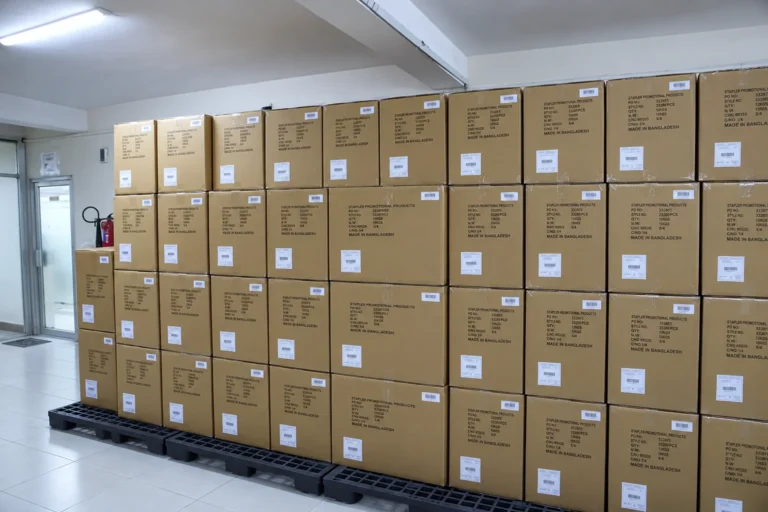
Identify which variations belong together and which must remain separate for receiving. Record any destination, store or release groups. Make the carton plan agree with the confirmed item breakdown before approving label artwork.
For mixed cartons, list the contents by variation and quantity. For separate cartons, show the relevant item reference clearly. Review the proposed packing arrangement against the cap’s shape and decoration, then confirm the applicable presentation with the sample or packing reference.
Keep item and logistics identifiers distinct
Use the buyer’s confirmed item codes and label data consistently across the relevant records. If the receiving system requires GS1 logistics labels, confirm the applicable implementation and the party responsible for the identifiers.
The official GS1 Logistic Label Guideline explains identification of logistics units with an SSCC and distinguishes that role from trade-item identification. An internal style code, a product barcode and a logistics-unit identifier serve different purposes; agree on the required data before labels are printed.
Make each release decision identifiable
Where the order has more than one release, connect each group to its item quantities, destination and agreed readiness requirements. Identify the relevant sample approval, review record and packing allocation. Keep unresolved changes visible to the people confirming the release.
Discuss timing against the current material and approval position. Ask for an updated confirmation when a change affects the proposed schedule. Keep the actual dispatch and receiving records with the applicable release rather than treating the whole programme as one undifferentiated quantity.
Retain the decisions needed for the next repeat
- The accepted cap version and complete component references.
- Replacements or changes accepted for this order.
- Artwork, label and packing-data revisions.
- Quantities by variation and release group.
- Review records and any decisions still open at handover.
Use the Wenext six-panel cap product page to discuss the proposed cap. Send the earlier reference, updated quantity mix and planned changes through Contact Wenext Caps so the repeat-order discussion starts with a clear version.