
A bulk cap order can be on target by total pieces and still leave the buyer short of the size band needed for a launch. This becomes easier to miss when goods are released in stages or sent to different destinations. Keep the release plan tied to the individual items, not only the order total.
This bulk stretch-fit cap guide covers quantity balances, split releases and handover records. Build the product specification with the Stretch-Fit Cap Buying Guide, then discuss manufacturing through the main stretch-fit cap product page.
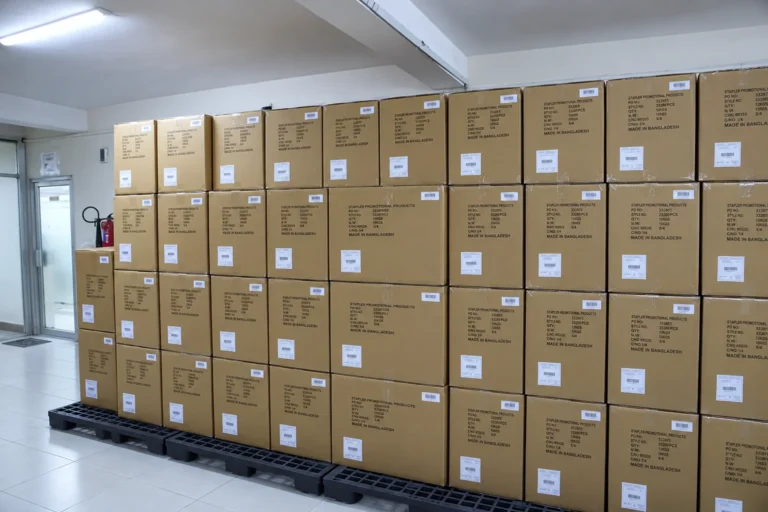
Confirm the item breakdown before splitting the order
Start with an approved list of style, color, artwork and size-band combinations. Give each a stable reference and an ordered quantity. Confirm that the size labels refer to the accepted fit specification rather than a generic assumption about S/M or L/XL.
The wholesale assortment guide explains how to organize those order lines. Use the same item references in the production update, release instruction and packing list so each document can be reconciled.
Define what each status means
Agree the distinction between planned, in production, finished, awaiting review, accepted and released quantities. A finished count may still include goods awaiting a decision. Ask which stage a progress update describes before using it to book the next step.
Keep held or unresolved pieces visible. Do not move them into an accepted balance simply to make a total agree. The factory handover guide covers the item identity and work records that support those updates.
Allocate each release by item
State the quantity of every item in each proposed release. Identify the destination, required timing and packing instructions for that release. If an early delivery is intended for a particular team or retailer, confirm the size-band mix it actually needs.
For illustration, an order line might contain 360 caps, with 240 planned for the first release and 120 for the second. If only 220 are accepted for the first release, record the proposed 20-piece change and the resulting balance. These figures explain the arithmetic; they are not a Wenext Caps minimum quantity or an offer.
Use separate balances for quantity and release status
Keep the ordered amount and any approved adjustment identifiable. Compare that total with released quantities and the remaining order balance. Within the remaining balance, distinguish accepted goods awaiting release from work still in progress or awaiting a decision.
A useful release record includes:
- Order and item reference: the approved style, color, artwork and size-band combination.
- Order quantity: the current approved amount, with changes recorded separately.
- Released to date: the quantity already released under identifiable instructions.
- Proposed next release: the item quantity and destination awaiting confirmation.
- Remaining balance: the amount still to be supplied after the release.
- Open status: any held pieces, pending approval or unresolved discrepancy.
Keep units and cut-off dates clear. Two updates taken at different times can appear inconsistent even when both are accurate for their own reporting point.
Review changes before accepting a different mix
If a supplier proposes more pieces in one size band and fewer in another, evaluate it against the buyer’s demand. A replacement that preserves the overall piece count may still leave the intended assortment incomplete.
Record who approved the change, which release it affects and how the remaining order balance changes. Update carton instructions and receiving information together. Keep the earlier version available so the adjustment can be explained later.
Make the packing list match the release
Identify the actual items and quantities in each carton, including any agreed mixed assortment. Connect carton numbers or marks to the release reference. Confirm destination-specific labels and packaging before the goods are packed.
Keep development samples, agreed extra pieces and saleable stock separately identifiable in the records. Confirm how they are counted rather than allowing an unexplained addition to obscure an item shortage. Review physical labels against the approved trim and size-identification file.
Confirm the delivery responsibilities for each movement
Record the agreed delivery arrangement and the responsible contacts for the release. Where an Incoterms rule is used, have the parties confirm the applicable rule, named location and version in their order documents.
The ICC’s Incoterms resources explain their role in clarifying delivery tasks, costs and risks. A reference to a rule does not replace the item breakdown, approval record or agreed release schedule. Keep those records connected to the actual order.
Close the release after receiving
Ask the receiving team to report discrepancies against the release, carton and item references. Reconcile accepted counts and any open issue before treating the release as closed. Keep the evidence specific enough for the supplier to investigate.
Review the remaining order balance after every release. If the next delivery date, assortment or destination changes, issue a revised instruction. A clear balance record is more useful than several messages saying that “the rest will follow.”
Bulk-order questions
Should the first release contain a proportional share of every item?
Only if that matches the buyer’s agreed priorities. Specify the actual mix and confirm feasibility with the supplier before relying on the proposed release.
Can an early production update confirm dispatch?
No. Identify the status being reported and obtain the relevant release and handover records. Production progress and completed dispatch are separate events.
What should I send for a split-release quotation?
Provide the product specification, item quantities, proposed release breakdowns, destinations, packing requirements and requested dates. Ask the supplier to identify assumptions and confirm the actual scope.
Discuss your quantity and release plan
Review the stretch-fit cap manufacturing page, then send Wenext Caps your item and delivery breakdown. Make the size-band priorities visible from the first discussion.