
Bulk snapback orders need a clear release plan when the full quantity will not travel together. One shipment may be intended for an event, while the balance goes to a warehouse later. Give each release its own quantity, packing instructions and status so everyone can see what has left and what remains.
Start with the Snapback Cap Buying Guide for the product brief. Then use the order schedule to connect that approved cap specification to each planned delivery.
Separate the total order from each release
List the complete quantity by style, colorway, artwork version and size where applicable. Under that total, identify the proposed release batches. Each batch needs a unique reference and an item breakdown; a single overall quantity is not enough to check a split shipment.
For illustration, an order for 1,200 identical caps could have 600 recorded as released and 600 outstanding. This is a balance example, not a minimum order or delivery commitment. Mixed-color orders need the same calculation for each item so an overall total cannot hide an assortment error.
Define what each date means
Distinguish sample approval, materials readiness, production completion, inspection, dispatch and required arrival. Record whether a date is a requested target or a confirmed commitment. Include the destination and the party responsible for the next step.
Review the snapback production approval stages when planning dependencies. An early release still needs its applicable approvals, packing information and release decision; labeling a group “urgent” does not explain which steps are complete.
Confirm split-delivery conditions before approval
Ask whether the proposed quantities and dates can be supported for the actual project. Clarify any separate handling, storage, packing, inspection or transport costs. Record payment conditions and who authorizes a release instead of assuming the arrangement follows automatically from a large order.
For international movements, the ICC overview of Incoterms® rules explains their role in delivery tasks, costs and risks. Record the agreed rule, named place and applicable version with the order. Keep batch quantities and release dates explicit in the wider agreement.
Keep a practical release register
| Record | What to identify |
|---|---|
| Order item | Style, colorway, artwork and total approved quantity. |
| Release reference | Unique batch ID and quantity of each item in that release. |
| Product approval | Sample and technical-file revisions that apply to the goods. |
| Schedule | Requested dates, confirmed milestones and dependencies. |
| Packing | Carton range, contents, labels and destination references. |
| Release status | Checks completed, authorization and actual dispatch record. |
| Balance | Quantity released, outstanding quantity and next agreed action. |
Match packing records to the released goods
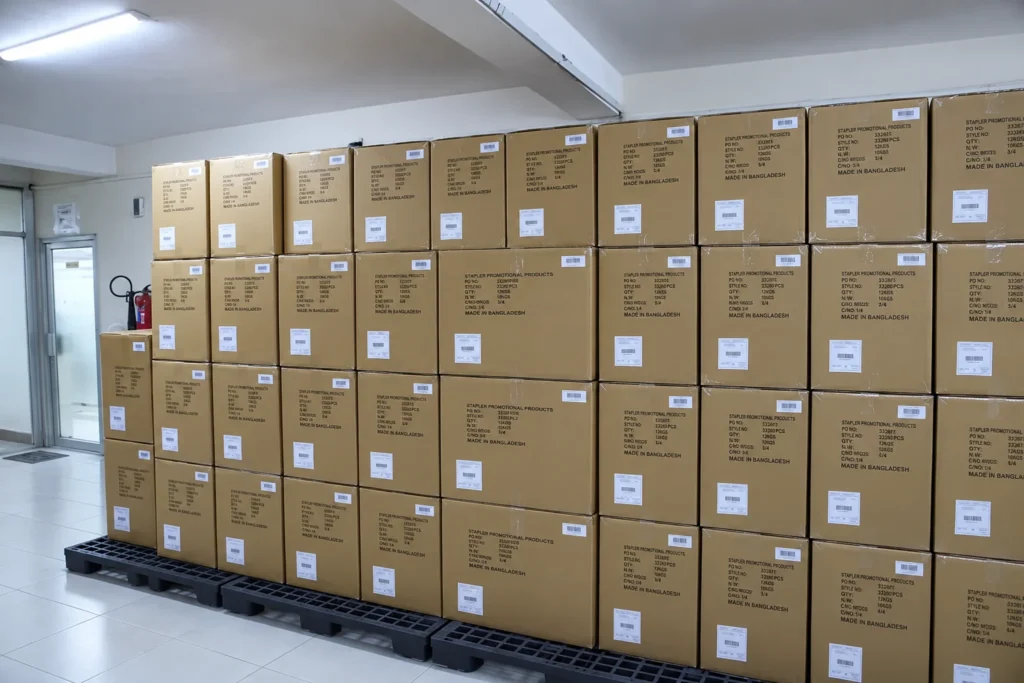
Give cartons a reference that connects them to the correct release and item breakdown. State whether a shipment uses single-item cartons or mixed assortments. If different destinations need different labels or documents, establish that before goods are packed.
The wholesale snapback assortment guide covers ratios and receiving checks. Use the release register alongside that assortment sheet so the receiver can reconcile this delivery with the total order.
Control changes after the first release
When a buyer requests a revised logo, label or color after some goods have left, identify exactly which remaining items the request affects. Record the new revision and review its impact on materials, work already completed, packing and the schedule.
Keep earlier release records attached to the version actually supplied. Use the OEM technical-file guide to organize version control. Avoid updating a shared file in a way that makes an earlier shipment appear to have used a later specification.
Reconcile the balance before closing the order
Check the released quantities against the dispatch records and the approved total. Record any agreed cancellations, replacements or adjustments separately so the outstanding figure remains understandable.
If the receiver reports a discrepancy, identify the release, carton and affected item. Keep that finding with the inspection and packing checks rather than changing the order balance without an explanation.
Common bulk-order scheduling questions
Can every order be divided into partial deliveries?
Confirm feasibility, quantities, dates and commercial conditions for the actual order. A proposed split is a request until the parties agree it.
How should an early event quantity be recorded?
Give it a separate release ID, item breakdown, required date and destination. Show the remaining quantity against the same total order.
Can later releases use revised artwork?
Request a version-specific review before the change is applied. Keep the approved revision for each release and confirm any effect on cost or timing.
Discuss a bulk snapback release plan
Review the snapback cap product page, then send Wenext Caps your order and delivery brief. Include item quantities, proposed releases, destinations and any dates that need a feasibility review.