
Custom Golf Cap Buying Guide
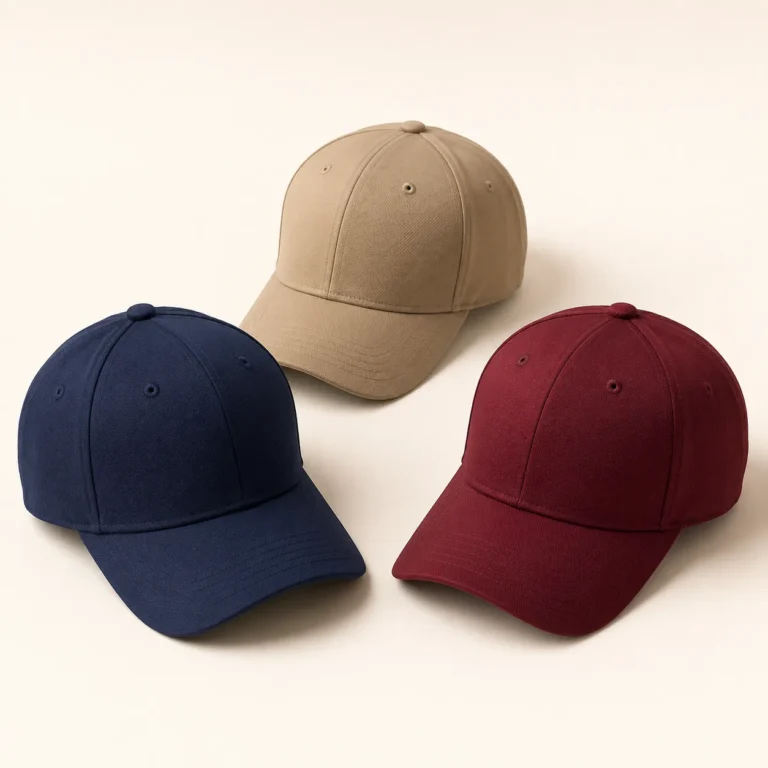
A golf cap brief brings together the intended crown shape, wearer fit, front visor and branding. The product name leaves room for different materials, support levels and size systems. Define those choices before comparing samples or proposals.
Use the Wenext Caps golf cap product page for a project discussion. This custom golf cap buying guide explains the decisions to connect in a complete specification for a club, event or retail range.
Start with the crown and intended wearing position
Provide front, side, rear and top views of the construction you want. Identify the panel layout, crown depth, front support and top finish. Show where the cap should sit on the intended wearer or fitting reference.
Review the front shape with the side and rear proportions. If a reference is styled for photography, identify the supplied shape you are approving. Keep the wearing and display setup consistent when comparing sample revisions.
Choose the fit system and closure separately
State whether the brief needs an adjustable arrangement, a defined fitted size set or another proposed system. Identify the wearer references, relevant cap measurements, units and method. For an adjustable item, review the required settings and rear opening together.
Official examples show how the golf category can contain different choices. Titleist’s Tour Performance Hat lists a structured front, standard curve bill and adjustable clasp closure. Its Tour Performance TrueFit uses a fitted construction. Identify your own required combination in the project brief.
Review the visor with the complete cap
Specify the outline, projection, curve, underside and relevant stitching details. Compare front and side views with the cap in the agreed wearing position. Check how the visor meets the front crown and how the intended silhouette presents.
If the cap will be worn with particular eyewear or other equipment, include that setup in the sample review. Where packing or handling can affect the supplied presentation, agree how the cap will be assessed after unpacking.
Identify materials beyond a general performance name
List the shell, front support, sweatband, visor insert, lining and closure components proposed for the item. Retain material and colour references where available. Show ventilation details and the inside finish in the relevant views.
If the brief includes a particular moisture, drying, colour or other performance requirement, name the property and applicable evidence. Identify whether the supporting information covers a material, component or complete product. Keep the accepted requirement connected to the version being proposed.
Map the artwork across the available positions
Place the front mark at its proposed finished dimensions on the crown layout. Identify its relationship to seams and the visor join. Show side and rear applications separately, including their method, size and colour references.
Review the actual decorated sample rather than relying only on a digital layout. For embroidery support, Madeira’s backing guidance provides relevant fabric and design background. Check legibility, placement, surrounding fabric and the inside result where it affects the item.
Separate club identity from event variations
A club range may retain a core body and mark while changing colourways or retail details. An event brief may add a date, sponsor position or different allocation groups. Identify each complete variation and the approval owner for its artwork.
Keep the shared construction reference visible while recording differences. Include quantities by colour, size, graphic and packing variation. A total quantity alone can conceal a new application or size requirement that needs its own review.
Bring labels and packing into the approval
Identify inside labels, seam tape, exterior tabs, hangtags and retail identifiers required for the item. Connect the approved files and product information to the relevant variation. Review label positions with the sweatband and fastening.
Agree the proposed nesting or other packing arrangement with the crown, visor and decoration. Define carton contents and receiving groups using the same item references as the order. Mark temporary trims or unconfirmed information as open decisions.
Give every sample round a clear purpose
- Construction: panel layout, crown profile, support and visor.
- Fit: wearer setup, size system, measurements and closure settings.
- Materials: actual or provisional shell, sweatband and other components.
- Branding: artwork revision, application, colours and placement.
- Presentation: labels, packing and agreed handling review.
Record accepted features separately from requested changes. The final approval should identify the complete proposed combination and any remaining condition. For repeats, confirm component availability and review the effects of proposed substitutions.
Ask for a proposal against the actual range
Send the marked cap views, materials, artwork, item quantities and destination together. Include the intended timing and identify where a proposal is needed. Ask the supplier to confirm minimums, included development and timing against that version.
Retain open assumptions in the response. When an accepted design or quantity change affects the scope, request an updated confirmation so the proposal and sample describe the same item.
Golf cap topic resources
Explore the relevant planning topic, then keep its decisions connected to the complete product brief.
Construction, fit and material evidence
- Golf Cap Construction: Crown, Fit and Visor Decisions
- Performance Golf Caps: Material Claims and Evidence
- Premium Golf Hats: Defining Materials and Finish
Branding and private-label details
- Private-Label Golf Caps: Labels, Trim and Product Identity
- Custom Logo Golf Caps: Artwork and Placement Planning
- Embroidered Golf Caps: Reviewing the Finished Stitching
Assortment, club and event programmes
- Wholesale Golf Caps: Assortment, Sizing and Quantity Planning
- Golf Tournament Caps: Artwork, Allocations and Deadlines
- Golf Club Caps: Range Planning and Reorder References
- Bulk Golf Caps: Release Quantities and Packing Control
- Private-Label Golf Cap Suppliers: Scope and Evidence Review
Samples, inspection and production handoffs
- Custom Golf Cap Samples: Revisions, Review and Approval
- Golf Cap Inspection: Shape, Finish and Packing Review
- Golf Cap Production Handoffs: Keeping Versions Connected
Compare related headwear choices
The Sun Visor Buying Guide covers an open-crown alternative. The 6-Panel Cap Buying Guide explains a specific crown layout, while the Fitted Cap Buying Guide covers size-set decisions where relevant.
Common golf cap buying questions
Does a golf cap have one standard construction?
Specify the crown, visor, size system, materials and branding required for the range. Use the actual sample and component references to define the proposed item.
Can one sample cover every club or event version?
Identify what changes between versions. Agree which materials, sizes or decorated applications need their own review before extending an approval across the assortment.
What should I send for an initial enquiry?
Send the cap references, fit requirements, material direction, artwork, quantities and destination. Add target timing and open development questions through Contact Wenext Caps.