
Performance Cap Buying Guide
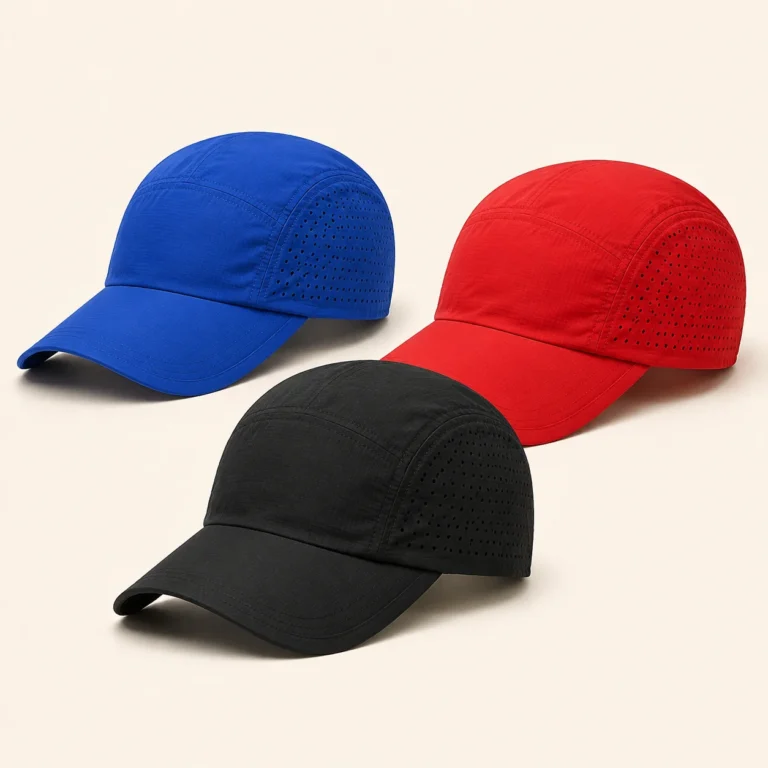
A performance cap brief starts with a use, not a material name. A running collection, a training programme and an outdoor retail range may need different crown shapes, visor handling and fit. Explain the intended activity, then decide which properties need a sample review and which need specific test evidence.
Use the Wenext Caps performance cap product page for a project discussion. This performance cap buying guide helps buyers connect fit, materials, decoration and approvals without assuming that every lightweight cap has the same capabilities.
Describe the activity and wearing setup
State who the cap is intended for and how it will be used. Include the desired wearing position, expected movement, eyewear or other items worn with it, and the preferred brim behaviour. If easy packing is part of the brief, describe how the cap is expected to be folded or carried and reviewed afterwards.
Separate an essential requirement from a design preference. A preferred low crown can be discussed through marked views and fit samples; a quantified material claim needs an appropriate evidence route. This distinction makes the first proposal more useful.
Define the crown and fit system
Show front, side, rear and top views. Identify panel layout, crown depth, front support and any perforated or mesh areas. Record measuring points rather than relying on descriptions such as “athletic fit”.
For an adjustable cap, specify the closure, rear opening, usable adjustment range and strap finish. For fitted or stretch-fit versions, agree the size system and relevant sample coverage. A closure that fastens does not establish comfortable fit for every intended wearer.
Review the visor with the assembled cap
Record visor projection, width, curve, insert and edge finish. Compare the visor with the proposed crown while the sample is worn. Check the relationship with eyewear and note any interference that needs a design change.
A flexible brim and a shape-holding brim answer different briefs. If packability or recovery matters, agree the handling review and acceptance criteria for the actual construction. Do not extend a result from an unrelated sample to a new visor material.
Identify the shell, band and support separately
Request component references and the agreed material specifications for the shell, sweatband, front support and other relevant parts. Keep composition, fabric weight and finished-cap weight distinct. A supplier’s description of one shell should not silently become a claim about the whole cap.
Review the proposed combination after assembly and decoration. Include visible finish, seam behaviour, band contact and crown shape in the sample comments. Mark temporary materials prominently so an early prototype cannot be mistaken for the final specification.
Use the polyester material file and ripstop fabric and tear-evidence review to identify the proposed cloth. The finished-cap mass checklist separates whole-item readings from fabric weight, while the recycled-content evidence guide addresses component scope and sourcing claims.
Match each performance claim to its evidence
Moisture management and drying rate are separate properties. AATCC’s public description of Test Method 195 concerns liquid moisture-management properties of textile fabrics. Its Test Method 201 concerns drying rate using a heated-plate method.
Where a property matters, agree the applicable method and edition, specimen, conditions, reporting and acceptance criteria with the responsible parties. Check which material or product a report actually identifies. Do not describe a fabric result as a test of an untested finished cap.
Ventilation openings and a light fabric do not establish UV protection, water resistance or a cooling result. Specify these separately if they are required, and keep the proposed label or marketing wording within the evidence available for that version.
Choose decoration for the actual surface
Map the logo dimensions and positions before selecting embroidery, a patch, printing or another application. Review the effect on the proposed shell, support and crown. Pay attention to small lettering, seams, perforations and the interior finish.
Madeira’s backing guidance is a relevant reference for discussing embroidery support. The accepted result still needs the project’s own fabric and design combination. Reflective or other functional trims also need their own identified specification and evidence where a claim is made.
If a flexible moulded badge is proposed, use the rubber-style patch material and claim review to identify the actual component, relief, reverse and relevant evidence. Keep any patch performance statement separate from the complete performance cap claim unless the evidence covers that assembled product.
For printed panels, the sublimation fabric and panel-map review connects the actual substrate, ink route, artwork direction and seams with the complete cap sample. Confirm the proposed print system rather than infer suitability from a fibre name or a digital colour rendering.
Build an approval record around open decisions
| Decision | Reference to identify | Review needed |
|---|---|---|
| Crown and fit | Pattern, measuring points and size or closure setup | Finished sample in the intended wearing position |
| Materials | Shell, band, support and component versions | Agreed specifications and relevant sample observations |
| Claims | Property, specimen and proposed wording | Applicable evidence and its actual scope |
| Decoration | Artwork, position, colours and application | Result on the proposed cap construction |
| Presentation | Labels, quantities and packing reference | Correct product identity and agreed handling result |
This is a planning example, not a universal testing procedure. Give each sample a version and date. Separate accepted details, requested changes and conditions that remain open, then confirm which variants the approval covers.
Keep the range and packing breakdown clear
List each complete style, colour, size and artwork combination with its quantity. Identify what the range shares and which versions change materials, closures or decoration. A total order quantity alone cannot describe the sample coverage or packing work.
Connect labels and any buyer-specified identifiers to those same variants. Review the proposed nesting or other packing method with the actual visor and crown. Retain the accepted presentation and receiving allocation with the product specification.
Performance cap topic resources
Use the topic that matches the next decision in your project, then keep its references connected to the complete cap specification.
Running fit and sample review
- Running Cap Design Brief: Fit, Visor and Movement
- Running Cap Samples: Wear Notes, Revisions and Approval
Inspection and material evidence
- Performance Cap Inspection: Workmanship and Claim Evidence
- Performance Cap Fabrics: Comparing Materials and Evidence
Range planning and patch applications
- Performance Headwear Ranges: Components, Variants and Evidence
- Outdoor Patch Caps: Placement, Attachment and Finish
Activity and race-pack decisions
- Activity-based feature priorities
- Training movement and adjustment review
- Gym contact points and accessory review
- Marathon runner editions and race packs
Performance claim and sourcing evidence
- Liquid moisture-management claim scope
- Drying report comparisons
- Ventilation, layers and covered areas
- Athletic sourcing evidence register
Design, range and wording release
- Low-mass construction trade-offs
- Prototype variables and comparison decisions
- Wholesale colour, fit and stock depth
- Private label product wording and evidence
Compare related constructions
The 5-Panel Cap Buying Guide covers one possible crown arrangement. The Stretch-Fit Cap Buying Guide explains a particular fit approach. For a course-focused programme, use the Custom Golf Cap Buying Guide. These are related choices, not automatic evidence of a performance property.
Common performance cap buying questions
Does “performance cap” identify one construction?
No. Define the activity, crown, visor, fit system, materials and decoration. Use the actual specification and accepted sample to identify the proposed product.
Can one material report support every cap in a range?
Check the report’s specimen and scope. Confirm how it relates to the proposed materials and product wording, and review the effect of substitutions or other relevant changes.
What should I send for an initial proposal?
Send the activity brief, marked cap views, fit requirements, material direction, artwork, quantities and destination. Add timing and any evidence requirements through Contact Wenext Caps, and ask the response to identify open assumptions.