
A wholesale low profile dad hat range can share a visual identity while containing several different material and closure combinations. One accepted cap does not automatically answer the fit questions for every item. A useful assortment plan identifies which approved fit reference applies to each combination.
Use the Custom Dad Hat Buying Guide for the full cap specification and the dad hat product page for a project discussion. This article focuses on fit coverage across a range, alongside the separate low-profile fit review checklist for an individual sample.
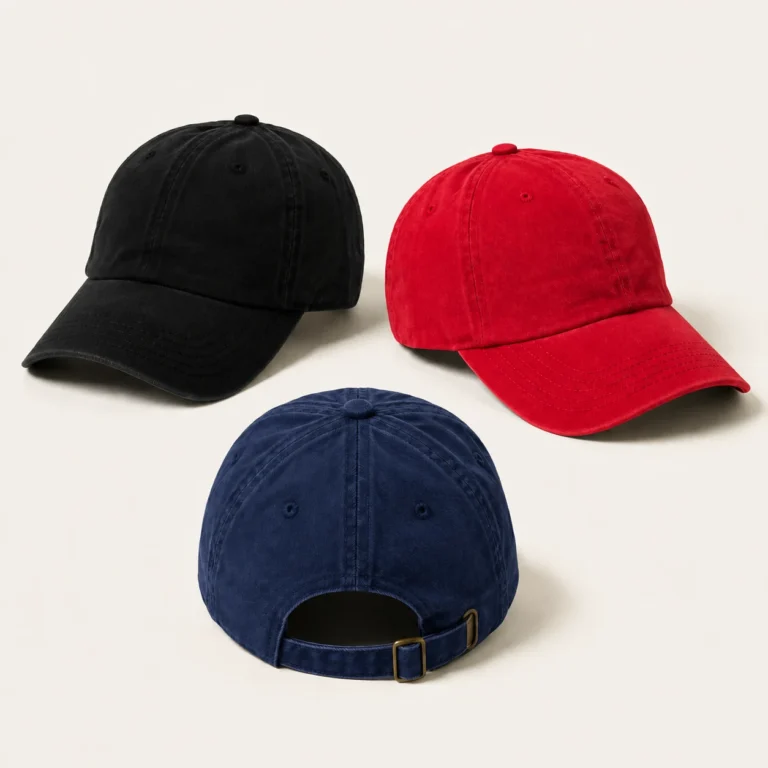
Define the shared fit reference
Identify the accepted crown, visor, opening and adjustment arrangement. Keep the sample ID, specification revision and review setup together. Record the intended wearer references or range and the method used to assess the actual design.
A style name such as “low profile” should lead to that reference rather than replace it. If several styles use different patterns or closures, give their fit references separate identities even when the collection uses a common retail description.
List the differences across the assortment
For each item, record the fabric version, front support, sweatband, closure, decoration and any finishing treatment relevant to the proposed cap. Separate those differences from a simple color change.
The dad hat design brief helps organize shared construction and exceptions. Ask the supplier which differences need another fit or presentation check before an existing approval can cover the item.
Make approval coverage explicit
- Same construction proposed: identify the sample and the items it is intended to cover.
- Different fabric or inside component: record the change and the review still required.
- Different closure: identify the actual component and its adjustment reference.
- Different finish: confirm which finished state is represented by the approval.
- Provisional item: keep the unresolved component or fit question visible.
These are planning categories, not automatic acceptance rules. Agree the actual coverage with the parties reviewing the samples. A shared pattern number alone does not establish that every other component is unchanged.
Use a consistent fit-review setup
Record the wearing position, closure setting and relevant measurement method used for each comparison. Keep wearer head measurements distinct from measurements of the cap. Use consistent units and named reference points.
New Era’s official sizing page provides a brand-specific example of head measurement and sizing information. Its numeric charts apply to its listed styles. Agree the actual measurements and review criteria for the Wenext custom design rather than adopting another brand’s chart as the order specification.
Review the items that introduce meaningful changes
Ask the supplier and responsible reviewer to identify which sample combinations are representative and why. Keep that explanation with the coverage record. If a selected sample uses a temporary fabric or closure, state the limitation before its result is extended to other items.
For a washed item, review the relevant finished condition. For an embroidered item, keep the decoration and surrounding crown in view. The intended fit and appearance should be assessed on the actual combination required for the range.
Keep fit versions visible in item and packing records
Map the accepted fit reference to the item code used in the order. If two products intentionally use different fits, distinguish them in the commercial and receiving records so they are not treated as an accidental variation within one item.
The wholesale assortment checklist connects item identities with quantities and carton contents. Keep the fit-version mapping alongside that record where it is needed for receiving checks.
Handle late changes without losing the baseline
When a material, closure or other relevant component changes, identify the affected items and the previous approval. Ask what needs to be reviewed again. Keep the proposed version separate until its required checks are closed.
The Dad Hat Sampling Guide explains how to record sample purpose and approval scope. Retain the accepted references for repeat orders so the next range can distinguish a genuine repeat from a modified fit.
Check the range before final release
Review the item list for unresolved fit references, provisional components and inconsistent descriptions. Confirm that the released specification and sample register point to the same versions. Keep any held item outside the scope of a general release statement until its status is resolved.
For quantity and timing dependencies, use the bulk order milestone checklist. Product approval and schedule planning should use the same current item list.
Common assortment fit questions
Can one sample cover several colors?
Agree which items it represents and identify any material, closure, decoration or finish differences. Keep the approval scope explicit rather than extending it by assumption.
Can two fits share one collection name?
A retail collection can contain different products. Keep their actual fit references and item identities clear in the specification and receiving records.
What should accompany a range enquiry?
Send the proposed items, construction differences, intended wearer information, quantities and available samples. Use Contact Wenext Caps to review the proposed fit coverage and open decisions.