
Snapback Cap Buying Guide
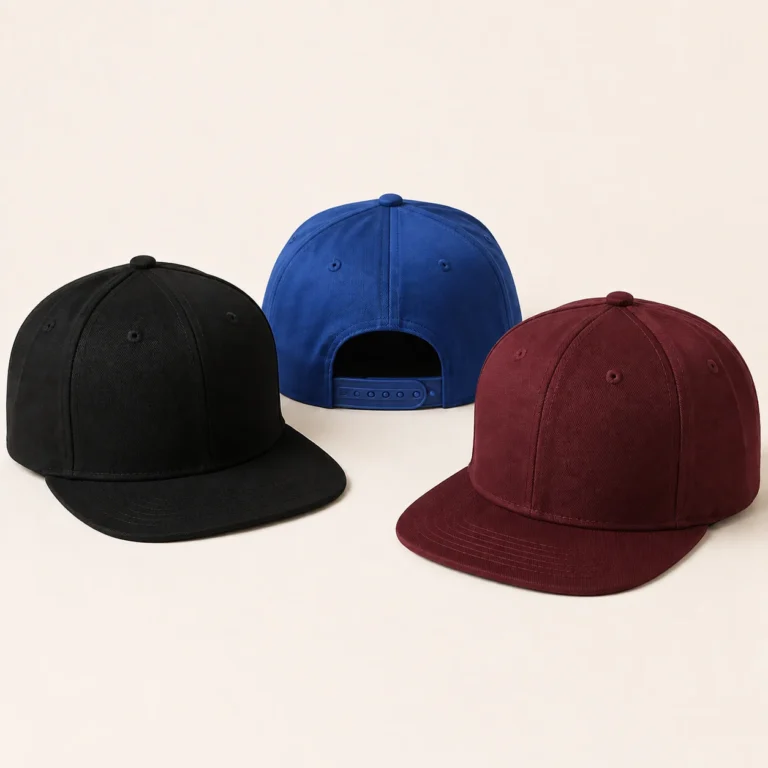
A snapback is a cap with an adjustable snap closure at the back. The closure does not tell you the full shape: crown height, panel layout, front structure and visor profile still need separate decisions. This snapback cap buying guide helps you turn those choices into a brief that can be sampled and quoted clearly.
For manufacturing enquiries, start with the Wenext Caps snapback product page. Use this guide to work out the specification before finalizing your order.
Start with the wearer and the shape
Choose a reference cap that represents the fit and silhouette you want. Note what should stay and what should change. A front photograph can show the graphic, but it cannot establish crown depth, opening shape or how the cap sits on a head. Include side and rear views, and provide a physical reference where fit is important.
Define the intended wearer rather than writing “one size” without a range. Have the supplier confirm the proposed adjustment range and how it will be checked on the sample. A smaller rear setting does not automatically make an adult crown suitable for children.
Specify crown structure and panel layout separately
A structured front has support that helps hold its shape; an unstructured front is softer. Decide which appearance suits the collection, then review a finished sample in the intended fabric. Material weight, reinforcement and panel shape work together, so two caps described as structured may still look and feel different.
Record the panel layout and whether a seam crosses the front artwork area. A continuous front panel offers a different decoration surface from a front divided by a center seam. Do not rely on the style name alone to communicate that detail.
Choose the visor profile you want delivered
Flat visors are common on snapback styles, but a snap closure can also be used with a curved visor. State the intended profile, visor length and width, underside color and stitch-line arrangement. Approve the shape as supplied rather than assuming every customer will reshape it.
Compare the brim with the crown from the front and side. A visor that looks balanced on a high crown may look too broad on a shallower shape. Keep the approved sample as the visual reference alongside the written measurements.
Review the snap closure as part of the fit
Specify closure color, strap arrangement and the usable adjustment range. Check that the tabs engage securely at the agreed settings and that the rear opening, sweatband ends and closure attachment sit neatly. A closure that works on its own still needs to work comfortably on the finished cap.
If you are comparing a solid-crown snapback with a mesh-back style, read the snapback trucker fit and closure guide. Mesh construction and the rear opening can change the feel even when the closure looks similar.
Match the fabric to the surface and feel
Describe the fabric direction with a physical swatch or a clear reference: surface texture, weight, color and desired hand feel. A fabric name alone leaves room for interpretation. Ask which proposed material the quotation covers and whether sourcing a different color or finish changes the order conditions.
Review crown, visor, sweatband and closure colors together. A blue plastic strap and blue fabric may not appear identical under different light. Agree which references control each component and review the combination before approving the finished colorway.
Test the logo on the actual cap construction
Send clean artwork with its intended size and location. Identify fine lettering, small gaps and any raised areas that matter to the design. Decoration should be reviewed on the intended fabric and panel construction; a flat artwork proof alone cannot confirm the finished result across a seam or curved front.
For embroidery, backing is one part of the setup that supports the fabric during stitching. Madeira’s embroidery backing guidance is a useful technical reference. Ask for a decoration trial where needed, and assess logo clarity, puckering, positioning and the inside finish on the sample.
For a patch-led collection, the streetwear cap drop plan connects colourways, sample status and channel allocation. Use the private label patch cap file to keep the outside badge, interior trims, product codes and packed-unit approval in the same release.
For dimensional stitching, the raised sample comparison identifies the actual method, while the 3D puff artwork review addresses selected raised zones, coverage and edges when foam is proposed. Use the private-label artwork revision file to keep logos, trim artwork and released versions aligned with the accepted cap.
When a snapback is used for an event, map the campaign artwork combinations and approve the dates and edition wording for each complete cap. If a detail changes after release, the production change review helps identify the affected files, components and delivery plan.
The tournament edition plan covers fixture wording, team and sponsor versions, later changes and separate stock records when snapbacks form part of an event collection.
Keep labels and packing in the approval brief
Include inside label artwork, label positions, hangtags and any barcode requirements. Check that labels do not interfere with the rear adjustment or create an uncomfortable edge. Confirm the packaging and carton identification for each style and color so similar caps can be received correctly.
State which branding details are shared across the range and which vary. If every colorway has a different front graphic, list each artwork revision against its item code. That prevents a general collection approval from hiding an unapproved variation.
A practical snapback sample checklist
- Shape: crown depth, panel balance, front support and visor profile match the brief.
- Fit: the agreed size range is checked on the finished cap.
- Closure: snap engagement, attachment and the rear opening are reviewed together.
- Materials: fabric, reinforcement, sweatband and component colors match the approved references.
- Branding: logo size, position, stitching or patch attachment and inside finish are accepted.
- Identification: labels, artwork revisions, packing instructions and the controlling sample are recorded.
Record changes in writing and identify the sample that replaces an earlier version. Confirm minimum quantities, sample charges, production timing and quotation scope for your actual specification; a general style description cannot settle those terms.
Related planning resources
Choose the detailed guide for the part of your snapback order you are working on.
Design, sourcing and technical files
- Custom snapback first-sample design brief
- Manufacturer evidence and supplier-review checklist
- Supplier shortlist comparison scorecard
- Comparing quotation scope and assumptions
- OEM materials, measurements and revision control
Branding and sample approval
- Private label trims, hangtags and item codes
- Embroidery artwork and stitch-sample approval
- Personalized names, numbers and roster proofs
- Sampling and bulk-order preparation
Shape, fit and collection planning
- Comparing crown profile, depth and structure
- Closure specification, straps and adjustment range
- Flat visor shape, underbrim and sample checks
- Mesh-back fit, closures and rear openings
- Planning a collection across styles and colorways
Materials and texture
Production and quality checks
Wholesale, deliveries and export packing
- Colorway plans, pack ratios and receiving checks
- Batch quantities, partial deliveries and order balances
- Export carton marks, packing lists and handover
For another construction option, review the Custom Trucker Hat Guide.
Common snapback buying questions
Is every snapback a flat-brim cap?
No. Snapback describes the rear closure. Specify the visor profile separately so the supplier knows whether you want a flat or curved finish.
Does an adjustable closure replace a fit specification?
No. The cap still needs an intended wearer, crown shape and agreed adjustment range. Review those on a finished sample, especially if fit consistency is important to the collection.
Can the same artwork be used on every colorway?
It can be, but thread or patch colors, contrast and placement should be checked against each background. Identify any variations and approve the actual combination rather than only the logo file.
Prepare your snapback brief
Review the main snapback cap product page, then send Wenext Caps your reference and specification. Include artwork, intended fit, colorways, estimated quantities and timing, and mark the choices you still need help resolving.