
Baseball Cap Buying Guide
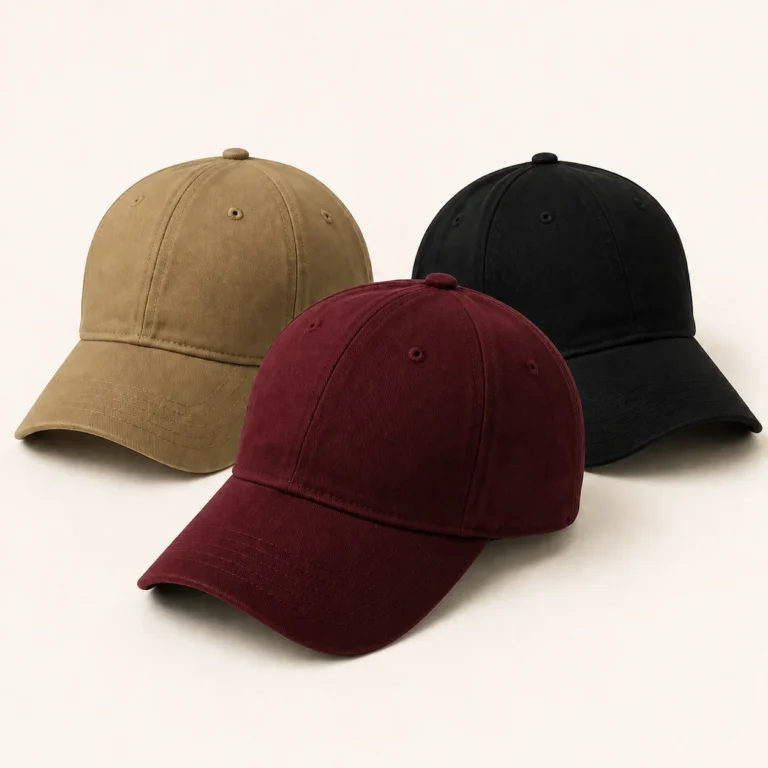
A baseball cap order starts with a familiar shape, but the choices behind it are rarely identical. Crown profile, front structure, closure, fabric and decoration all change how the cap looks, wears and fits into your collection. This baseball cap buying guide brings those decisions together before you request a sample or quotation.
Looking for production options? Visit our baseball cap manufacturing page. Use this guide to prepare the brief, then explore the specialist articles below when you need more detail.
1. Decide who will wear the cap
A cap for a retail collection, a staff uniform and an event giveaway may share the same basic construction while needing different choices. Begin with the wearer, intended use, selling or distribution channel and target price. That helps you decide which details deserve the most attention.
For a fashion range, fit and appearance may lead the discussion. A uniform program may need repeatable colors, clear branding and organized size or color assortments. A promotional order may place more weight on quantity, delivery and a logo that reads clearly.
2. Compare crown shape and closure
Review crown depth and profile on a finished sample. A structured front holds a more defined appearance, while an unstructured cap follows the head more softly. Neither is automatically better; the choice should match your design and the wearer’s expectations.
Consider the closure as part of the fit. An adjustable strap, a snap closure, a fitted construction and a stretch-fit opening need different approval checks. Do not treat a size label or “one size” description as a complete fit specification. Ask how the intended wearing range will be evaluated.
3. Review fabric in the complete cap
A fabric swatch is useful for color and touch, but the sample reveals how the cloth behaves at seams, behind the logo and around the visor. Cotton twill, canvas and polyester directions can produce different results. Discuss the intended feel and appearance rather than choosing by a fabric name alone.
If a buyer needs a performance or material claim, define the requirement and the evidence needed before sourcing. A description such as “breathable” should not stand in for an agreed specification. Keep the approved swatch, color reference and sample revision together.
For the underlying material record, use the cotton cap component file, cotton twill direction review and heavy-cotton cloth and seam checks. Keep the relevant cloth reference and findings with the baseball cap sample.
4. Match the logo method to the artwork
Embroidery, patches and printed decoration do different jobs. Start with the actual artwork and intended size. Review small lettering, narrow spaces, filled areas, placement and the appearance of the fabric around the design.
Approve decoration on the proposed cap construction rather than relying only on a digital mockup. If the design loses detail or distorts the crown, discuss a revised size or method. Madeira’s embroidery backing guide provides product-related background on stabilization, including cap applications; your finished sample remains the approval reference.
For a separate badge, use the logo artwork and crown-placement review, embroidered patch component checklist and patch-to-cap production handoff guide. Keep the accepted badge and complete baseball cap connected through artwork, attachment and sample release.
The heat transfer application record connects the selected decoration product, cap layers, support and equipment with the accepted sample. Keep applicable instructions and the observed complete-cap result together when deciding whether a change needs another trial.
The logo decoration brief helps select the next artwork review, while the embroidered cap sample checklist covers the stitched face, position and inside finish. Use the embroidery factory review and embroidered quote scope checklist to connect relevant process evidence and commercial assumptions with the actual cap.
For a campaign using this construction, start with the promotional cap buying brief or the Bangladesh sourcing comparison. For the product review, use the company logo approval checklist and accepted batch reference. The corporate gift plan covers recipient groups and presentation when the cap is a gift.
For team programmes using this construction, the roster name and number record connects individual variants with correct item assignments. The team supplier review helps compare fit coverage, sample evidence and the scope of the offer.
5. Define the private label and packing details
Confirm the brand label, care information, hangtag, barcode and individual packing requirements. Use one style and color naming system across the cap, order sheet, packing list and carton marks. This makes stock easier to identify when it reaches the warehouse.
For mixed orders, specify whether cartons are separated by color, size, style or customer. Review a packing example if the assortment is complicated. Agree who supplies the final label wording and who approves it for the intended sales market.
6. Use a clear sample approval checklist
- Check the fit and crown shape while worn, not only on a table.
- Compare visor direction, symmetry and the agreed measurement points.
- Review logo dimensions, colors, edge clarity and placement.
- Inspect the closure, sweatband and inside finish.
- Confirm labels, barcode data, packing and carton assortment.
- Record the approved revision and every outstanding decision.
Ask for MOQ and lead time for your actual fabric, decoration, color breakdown and packing requirements. A target launch date should allow for development, revisions, production, inspection and transport. Confirm the production reference and shipment responsibilities in writing before the order proceeds.
Baseball cap planning resources
Construction and fit
- Baseball Cap Construction: Crown, Panels, Band, Visor and Closure — Understand the parts and the decisions they describe.
- Baseball Cap Fit Review: Crown, Band and Visor Balance — Record crown, band, visor and rear-fit observations.
- Adjustable Baseball Cap Closures: Strap Travel and Rear Fit — Define fastening parts, strap routing and accepted settings.
- Fitted vs Adjustable Baseball Caps: Choosing a Size System for Your Range — Choose the size system before planning the assortment.
- 6-Panel Baseball Caps: Construction, Fit and Buying Decisions — Review six-panel architecture and the finished silhouette.
- Stretch-Fit Baseball Cap Shape: Crown Depth, Visor Curve and Worn Profile — Connect stretch-fit materials and size bands to the worn profile.
Materials and collection planning
- Baseball Cap Fabric Swatches: Composition, Weave, Finish and Colour — Compare fabric identity, weave, finish and physical colour.
- Fashion Baseball Caps: Colourways, Variants and Range Planning — Organise design families, colourways and sample coverage.
Logo applications and private labels
- Baseball Cap Embroidery: Placement, Sew-Outs and Interior Finish — Review artwork scale, seam placement and assembled embroidery.
- Rubber Patch Baseball Caps: Badge, Placement and Attachment — Identify badge material, backing, crown placement and attachment.
- Branded Baseball Caps: Artwork Variants and Release Control — Keep authorised artwork and finished variants traceable.
- Private Label Baseball Caps: Labels, Information and Presentation — Approve label information, artwork and complete presentation.
Design, specifications and sample rounds
- Custom Baseball Cap Design: Turning References into a Clear Brief — Explain which reference features to retain or change.
- OEM Baseball Cap Specifications: Materials, Measurements and Approvals — Control materials, measuring methods and sample decisions.
- Baseball Cap Sampling: Materials, Review Rounds and Release — Plan dependencies, review rounds and release readiness.
Quotations, inspection and wholesale supply
- Baseball Cap Quotations: Comparing Scope, Assumptions and Exclusions — Compare the same scope, assumptions and exclusions.
- Baseball Cap Inspection: Measurements, Workmanship and Records — Define workmanship criteria, measurements and evidence coverage.
- Fitted Baseball Cap Supplier Review: Sample Evidence and Size-Set Coverage — Review supplier sample evidence and fixed-size coverage.
- Wholesale Baseball Caps: Assortments, Cartons and Replenishment — Reconcile item quantities, receiving allocations and carton identity.
Related product guides
For the full development brief in a particular construction, use the Fitted Cap Buying Guide, Stretch-Fit Cap Buying Guide or 6-Panel Cap Buying Guide.
Frequently asked buying questions
Should I begin with a physical reference?
It helps when fit, shape or material feel is important. Add notes explaining which features you want to retain and which should change. Several photographs without that explanation can point the sample team in different directions.
Does the lowest quoted unit price make the best order?
Compare quotations against the same specification. Material, logo work, labels, packing, inspection and shipment terms may differ. Ask the supplier to identify exclusions and assumptions before deciding.
What information should I send first?
Share the cap reference, intended wearer, fabric direction, artwork, quantity by color or size, branding needs, packing instructions and destination. Include your target date and the details that cannot change.
Take the next step
Use the main baseball cap product page to review the manufacturing discussion, or send Wenext Caps your brief. A clear starting specification makes the sample and quotation more useful.